Kevin Pietersen Returns to England Cricket: The No-Dickheads Policy and Cultural Challenges
Gilbert Enoka left England cricket with a neat line and a proud smile. The culture, he said, had been healed. The no‑dickheads policy – his calling card – was in place. “There wasn’t one dickhead in there,” he declared.
History has spent the months since quietly clearing its throat.
Enoka’s stint with England ran through to November 2025. Around that point Harry Brook was scrapping with a bouncer, Jacob Bethell and Josh Tongue were out boozing on the eve of a game, and Rob Key decided the smartest move was to bury it all. A month later came Noosa, more drink, Ben Duckett drifting off into the night. Then the Lord’s curfew saga, Ben Stokes throwing a fit, Derby, handcuffs. One dickhead? If only the maths were that simple.
Enoka’s warning label suddenly reads like foreshadowing.
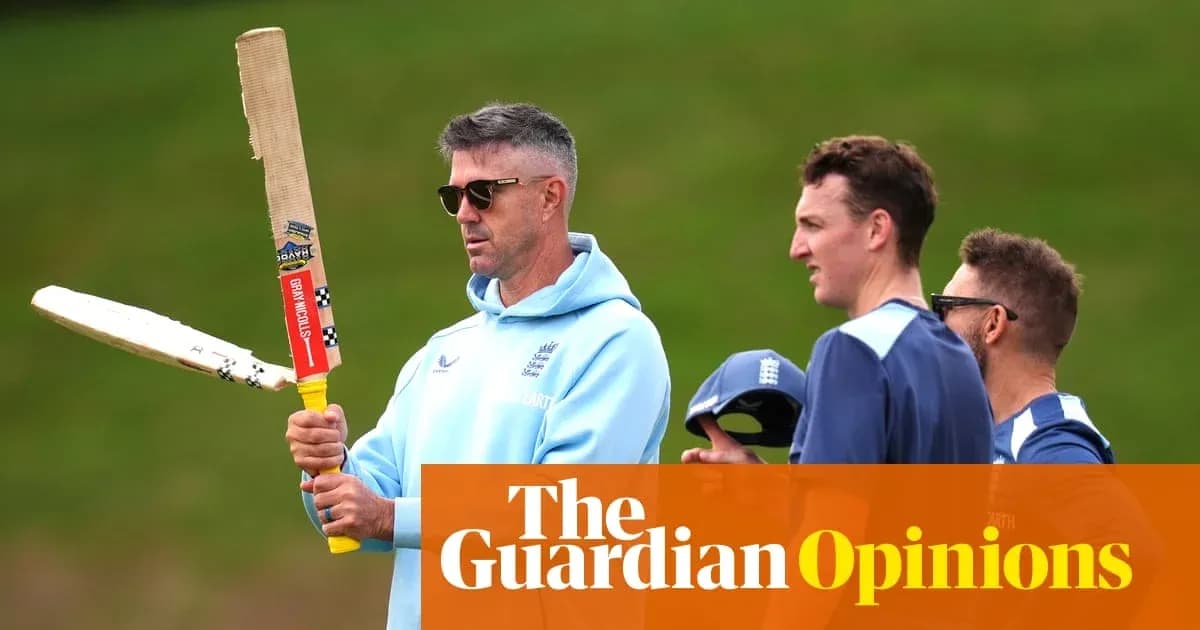
Now, into this swirling mess of cultural arithmetic walks the most combustible element of all. Kevin Pietersen is back. England’s white‑ball mentor for a three‑month spin that starts on Tuesday at the Utilita Bowl. The prodigal showman, re‑cast as wise old head. Daddy’s home.
The problem with a “no‑dickheads” world
The no‑dickheads policy sounds clean. Appealing. But who actually gets to decide what a dickhead is? By most everyday standards, a high percentage of elite athletes would qualify. You don’t reach the top of a sport by being balanced and reasonable. You get there by being obsessive, hypercompetitive, emotionally extreme. You get there by being a nightmare, channelled.
Enoka’s own definition is more subtle: don’t be a dickhead to your teammates. Don’t poison the room. That works in a rugby changing room, where the collective is everything. But cricket is a different beast – an individual sport dressed up in team colours. You can win without liking each other. You can hate half the dressing room and still average 50. The numbers forgive a lot. Team spirit is often just the gloss on the scorecard.
And this is where Pietersen becomes the perfect stress test.
Here is the supposed arch‑dickhead. The skunk‑haired disruptor who helped topple two regimes, including his own. The man whose WhatsApps and fallouts still echo through ECB corridors. Yet look at the record: on runs, average, strike‑rate and pure match impact, he stands as England’s finest all‑format batter. A match‑winner in Ashes series. A driving force in a T20 World Cup win. A central pillar of the best England side of the modern era.
If that’s what a dickhead looks like, most selectors would mainline it.
So yes, welcome back, Kev. It feels right. It also feels faintly tragic that the defining English cricketer of his generation has spent recent years mugging for YouTube, dancing with kids for clicks, a born leading man stuck doing internet skits. Pietersen loves an audience, always has. You sense if someone gave him half a chance he’d be halfway up Big Ben in a Spider‑Man suit by now.
KP, content machine and inconvenient truth
On paper, all elite coaching appointments should be made on coaching merit alone. This one breaks the rule – and gets away with it. Because this is content. Pure, uncut, high‑grade content at a time when international cricket is starving for it.
England are about to play six fairly forgettable white‑ball fixtures in 14 days. Add KP and suddenly there’s a highlight reel flickering behind every venue. The Oval, Brett Lee and that wild 153 that rewired English batting. Leeds, where he carved one of the great spiteful hundreds against South Africa, a score fuelled by adrenaline and loathing. Cardiff, the paddle sweep of doom in 2009, the shot that detonated days of back‑page outrage.
This is not just nostalgia theatre. Pietersen is an asset the ECB should never have allowed to drift into the wilderness. He was never a head‑prefect captain in the Strauss‑Cook mould. Those two represented the old world: tidy, dutiful, risk‑averse. Pietersen was something else entirely – the only one who saw where the game was really heading, and paid for it with his career.
He was right about batting. Right about franchise cricket. Right about the direction of travel. When Andrew Strauss packed him off into retirement, the parting shot was a sermon about trust. Whose version of the game do you trust now?
The original Bazball
Strip away the marketing and Pietersen was doing Bazball before Bazball had a name. KP‑ball was the prototype – and it came with actual trophies. He took risks no one else dared take, not as a gimmick but as a coherent vision of how Test cricket could look. England should have bottled that and sold it for a decade.
The crowds in Trafalgar Square. The punk superstar with lightning hands. The reverse‑sweep for six off Muttiah Muralitharan that stopped the news cycle. That was the brand. That was the future. Instead, English cricket shrank, retreated behind paywalls, and now finds itself flogging five‑ball overs at the Super Fried Oval Wangdoodles.
If cricket had stayed on free‑to‑air TV, Pietersen would have been England’s Beckham, its Botham, its Alison Hammond rolled into one: a mainstream giant. Instead he became a YouTube wanderer, a sideshow now being dragged back into the tent as Baz McCullum’s bagman.
Mentor, mischief‑maker, batting badger
So what does a “white‑ball mentor” actually do? In the original Odyssey, Mentor was essentially a babysitter for Telemachus. Pietersen, for all the star wattage, has always seemed oddly suited to that kind of elite‑development role.
As a player he gravitated towards the younger lads, partly because he clashed with so many of the seniors, but also because he understood raw talent. He recognised the value of finding your own method, not copying the manual. The idea of KP working closely with someone like Aneurin Donald – another late bloomer with a flashing blade – is genuinely exciting.
He also brings a very different current to the dressing room from the man who hired him. McCullum is all vibes, cool, golf clubs over the shoulder. KP is a batting obsessive. A badger. He lives in the details: angles, grip, backswing, body alignment.
Watch their old Sky Sports masterclasses side by side and the contrast is stark. McCullum has someone lobbing tennis balls and just belts them. “You throw it there, I hit it there. Throw it again, I hit it there.” It’s charming. It’s simple. It’s also just a bloke whacking tennis balls.
Pietersen, by comparison, talks about the relationship between feet and head position, about ripping up the MCC coaching book, about rewiring his technique with a personal coach. One session feels like a clinic at the sharpest edge of the game. The other feels like a knock‑up in the park.
Maybe that’s McCullum’s final trick. For all the talk of vibes and freedom, his own coaching CV is light on tangible, long‑term substance. Yet this decision is sharp. Pietersen in the tent is good for England, good for the ECB, good for a sport that has forgotten how to sell its own stars.
And if KP thrives in this role, if his methods start to look more compelling than the current regime’s easy charm, then McCullum might just have hired the man who makes his own approach look obsolete.