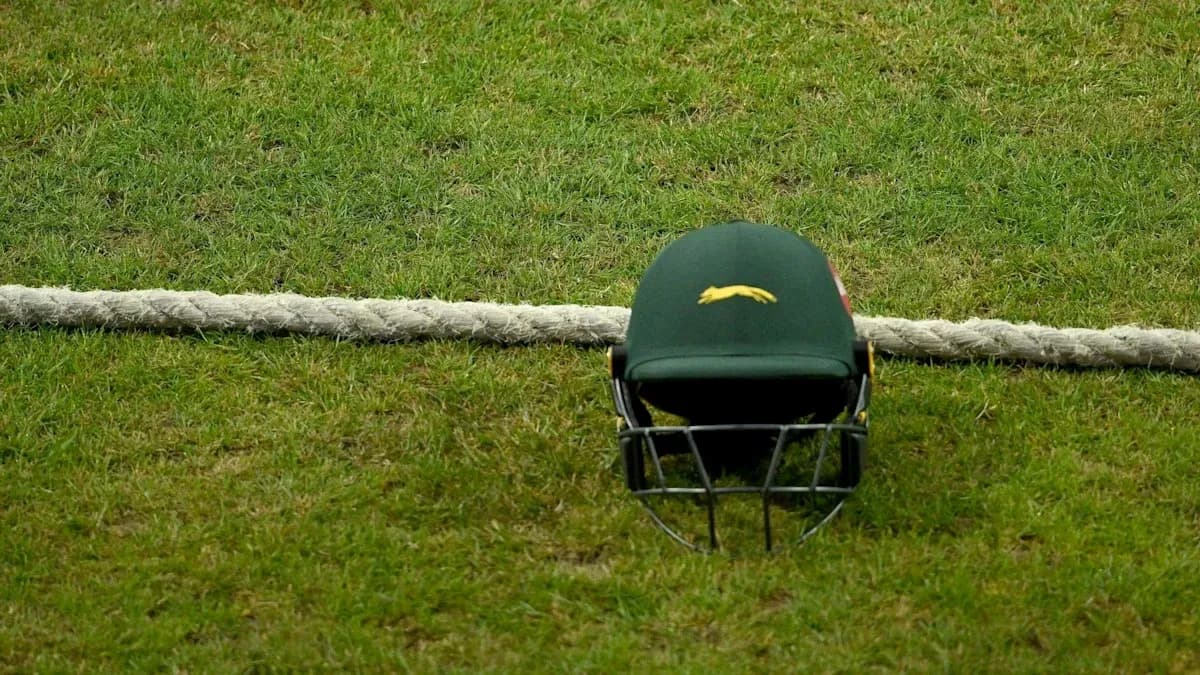
Leicestershire’s season has not been decided by a collapse with the bat or a wayward spell with the ball, but by 22 yards of turf and a brutal ruling that has left the club staring at relegation.
The Foxes have been docked 27 points by the independent Cricket Discipline Panel for a poor pitch in their August win over Glamorgan at Uptonsteel Grace Road, a sanction so heavy it has dumped them to the bottom of Division One and all but condemned their return to the top flight after a 22-year exile.
A title push replaced by a tribunal
That Glamorgan match, a hard-fought 42‑run victory three weeks ago, was supposed to be the moment Leicestershire’s survival fight came alive. Instead, it triggered an investigation that has now ripped away all 19 points earned from the win, added an extra eight-point penalty on top, and landed the club with a £5,000 fine. A further eight-point deduction hangs over them, suspended for a year.
The match referee, Ian Ramage, rated the surface “poor” and called in the ECB’s pitch and grounds advisor Andy Mackay to inspect it after play finished on 23 August. Uneven bounce, batters being struck on the hands, and a surface that misbehaved from early in the game left officials in no doubt.
Glamorgan head coach Richard Dawson described conditions as “tough” for batters. Leicestershire’s own head coach Alfonso Thomas insisted the pitch had been prepared in the same way as the surface used against Yorkshire in June – a game the Foxes won by an innings and 39 runs – though he admitted it was “a bit drier than what we wanted” this time.
The Cricket Discipline Panel agreed with the referee. The punishment has cut deep.
A groundsman under pressure
In evidence to the Cricket Regulator before the tribunal, head groundsman Callum Lewin pointed to factors he said were beyond his control. Four days before the Glamorgan fixture, Uptonsteel Grace Road hosted an “unscheduled Bollywood filming event”. The build-up also brought exceptionally hot weather, leaving the square dry and difficult to manage.
Lewin and his team had gone for what has been dubbed a “mullet” pitch – shorter grass at the ends, longer in the middle – a tactic they also used in the previous home game against Yorkshire and again this week against Hampshire. On those occasions, there was no extreme movement or alarming bounce. On the Glamorgan strip, there was.
Leicestershire believed they had produced a fair contest. The game lasted four days and featured two individual scores in the 90s at a time when low totals were appearing around the country. Inside the club, there is a sense that this surface has been judged more harshly than some lifeless roads that grind towards high-scoring draws or other bowler-friendly pitches that have escaped similar scrutiny.
The panel saw it differently. The rules on pitch quality are clear, and the club knew them.
Survival hopes shredded
Leicestershire now have 10 working days to appeal, and in a brief statement said only that the club “notes the Cricket Discipline Panel’s decision” and is “reviewing its position and considering all available options”.
On the field, the timing is devastating. The deduction landed midway through their penultimate match of the season, at home to Hampshire, instantly dragging them to the foot of the table and transforming a tense relegation scrap into a near-impossible escape act.
If they fail to beat Hampshire in that ongoing game, their drop back to Division Two will be confirmed. The task already looks forbidding: Hampshire closed day two on 255-3 in their second innings, a lead of 225 and growing, with Leicestershire needing something close to a miracle.
Just above the trapdoor, Glamorgan and Essex suddenly find their survival chances enhanced, beneficiaries of a punishment handed down for a match neither side was involved in. The Foxes’ hard-earned momentum – one win before the Glamorgan game, then that crucial 42‑run success – has been wiped away in the space of a written verdict.
Inside Grace Road, the mood is bleak. After clawing their way back into Division One as champions of Division Two last season, they had spent the summer scrapping to stay there, inching into a position where safety felt possible. Now they must beat Hampshire, then take down title-chasing Warwickshire, and still hope results elsewhere fall kindly. It is a route map that looks more like fantasy than fixture list.
They are, as one local voice put it, gutted. But the table does not recognise regret, nor do the regulations. The pitch against Glamorgan has spoken for them, and unless an appeal can turn back the clock, Leicestershire’s long-awaited return to the top flight will end not with a fight in the middle, but with a ruling in a committee room.