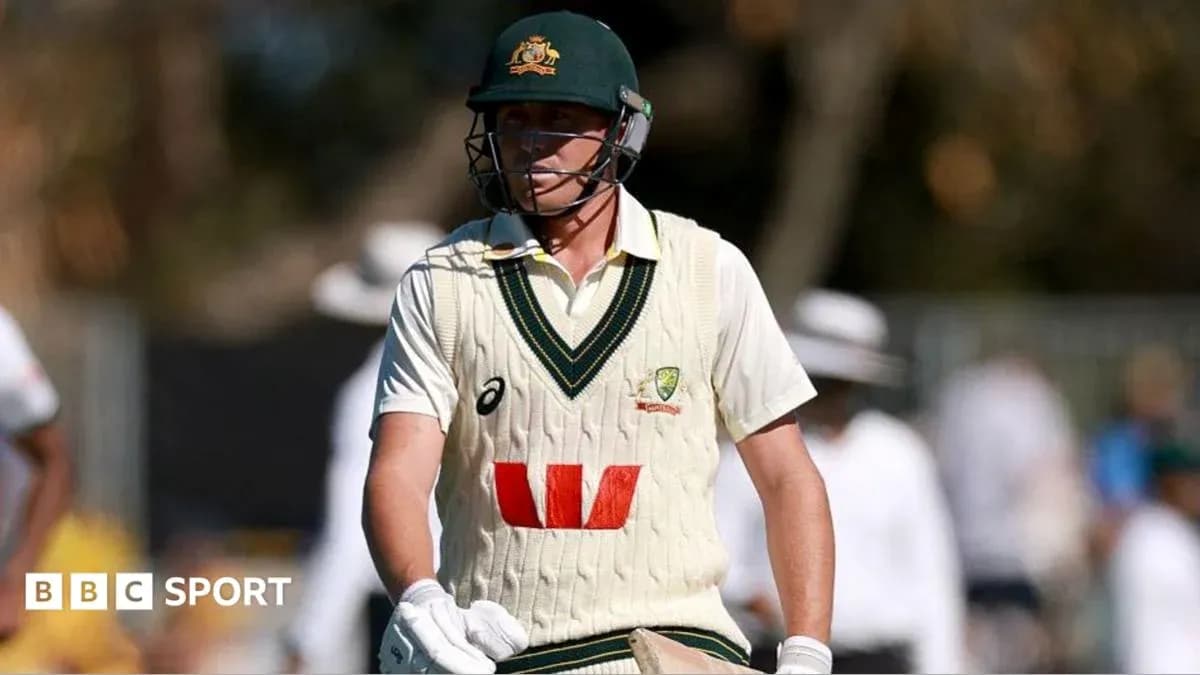
Marnus Labuschagne will walk back into the country of his birth next month carrying more questions than runs, but still with the backing of Australian selectors.
The out-of-form No. 3 has been named in Australia’s 16-man squad for the three-Test tour of South Africa, despite a lean year that has seen his once-relentless scoring dry up. Labuschagne, 32, has not reached three figures in Test cricket since 2023 and endured a bruising two-match series in Bangladesh last month, returning scores of 1, 31 and 4 before being overlooked for the white-ball legs in Zimbabwe and South Africa.
Australia’s chief selector George Bailey did not sugar-coat the situation.
“[We’re] not shying away from the fact that we’d like some more runs from Marn... but we’re also confident that he can still make a positive contribution to that squad,” Bailey said, framing the decision as both a challenge and a show of faith.
The issue, he stressed, runs deeper than one man.
“Our batting group in its entirety, not just Marn, probably hasn’t been functioning as successfully as we would like,” Bailey admitted, a blunt assessment of a top order that has lost some of its old inevitability.
The obvious question followed: is this Labuschagne’s last chance?
Bailey pushed back. “No, I wouldn’t say that. But again, it’s a hypothetical, isn’t it?” A reminder that selection panels live in the here and now, and right now they believe a player who once sat atop the Test batting rankings is still worth backing for a tour heavy with symbolism.
A return to the scene of the scar
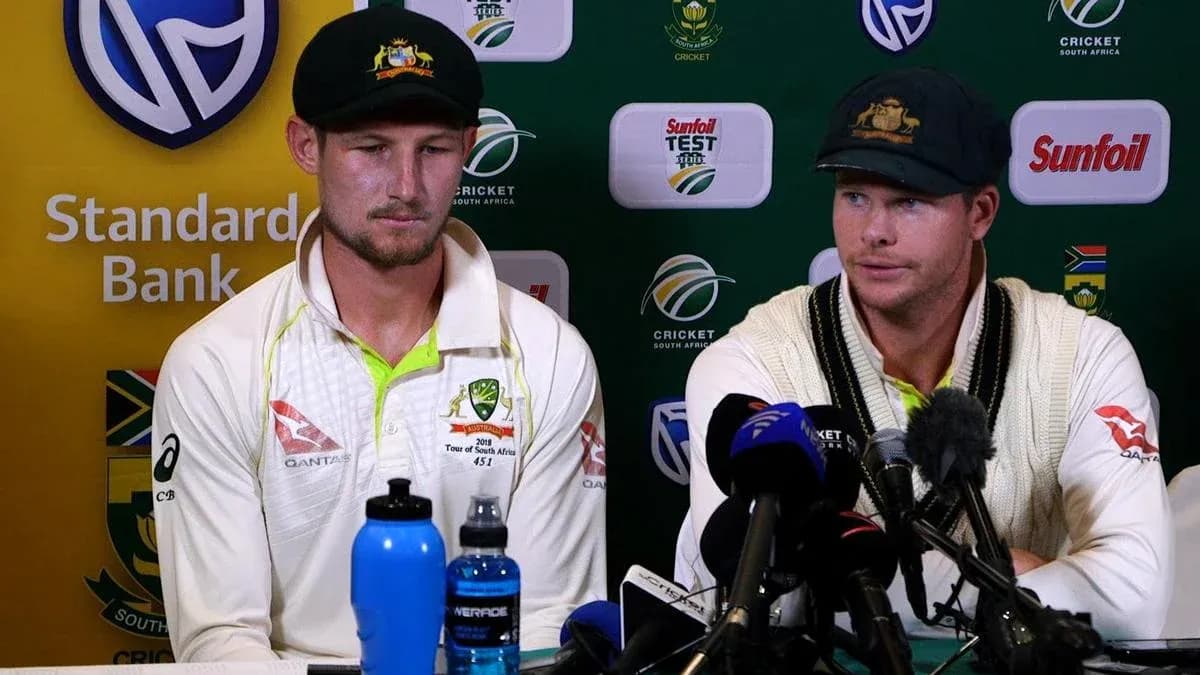
This will be Australia’s first Test series in South Africa since the 2018 “Sandpapergate” scandal, the ball-tampering affair that detonated Australian cricket’s leadership and reputation in one grim Cape Town afternoon.
Steve Smith and then vice-captain David Warner both received 12-month bans for their roles in the plot to use sandpaper on the ball during the third Test. The fallout reshaped the team, the captaincy and the way Australian cricket talks about itself.
Only six players from that 3-1 series defeat remain in the current squad: captain Pat Cummins, Mitchell Starc, Josh Hazlewood, Nathan Lyon, Smith and Matt Renshaw. The rest is effectively a new era, returning to an old crime scene.
For Labuschagne, the tour cuts even closer. Born in South Africa before moving to Australia as a child, he now returns as a senior batter under scrutiny, trying to rediscover the method and certainty that once made him the heartbeat of the middle order.
Squad stability, with a hint of renewal
Around him, the squad carries a familiar look. Cooper Connolly, Matthew Kuhnemann and Michael Neser have all been included, but there are no sweeping changes from the group that contested the last Test against Bangladesh. Stability, not revolution, is the message.
Connolly’s selection underlines Australia’s desire to deepen its all-round options, Kuhnemann offers another spin choice alongside Lyon, and Neser remains the dependable seam back-up who can cover multiple roles if conditions demand it.
The itinerary is demanding and varied. Australia open the series in Durban on 9 October, before moving on to Gqeberha and then Cape Town, where the shadows of 2018 still linger over Newlands.
For Cummins’ side, it is a chance to close a painful chapter on their own terms. For Labuschagne, it is something even sharper: a homecoming, a test of resilience, and perhaps the most telling examination yet of whether his golden run was a peak or simply the beginning.