The Mumbai Cricket Association has put a giant marker down for the city’s cricketing future, committing a staggering ₹500 crore towards grassroots development over the next decade.
The decision, taken at the MCA’s annual general meeting at Wankhede Stadium on Friday (September 11), signals a long-term structural investment in school, college and maidan cricket across Mumbai — the nurseries that have historically produced India’s biggest stars.
A decade-long corpus for the cradle of Mumbai cricket
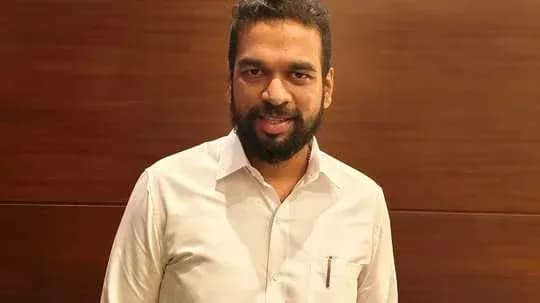
MCA president Ajinkya Naik confirmed that the association will build a ₹500-crore corpus specifically for grassroots cricket, sharply increasing the earlier allocation.
“For grassroots cricket, we decided to allocate a corpus fund of ₹500 crores. In the last AGM, we contributed ₹100 crores and this time we did increase it to ₹500 crores for our grassroots cricketers, clubs like maidan clubs, school clubs and college clubs,” Naik said after the meeting.
The association already has a ₹100-crore corpus in place. Under the new plan, the MCA will add ₹40 crore every year for the next 10 years, building the fund to ₹500 crore. The principal amount will remain untouched; only the interest earned will be used to fuel the game at its base.
That interest will be distributed among affiliated clubs across the city — the lifeblood of Mumbai’s cricketing culture.
Naik described it as an endowment-style model designed to give the system a permanent backbone rather than a short-term cash injection. The money, he explained, will help clubs meet real, everyday needs.
“It’s like an endowment fund. You keep this ₹500 crores in a fixed deposit, and from that fixed deposit, the interest gets distributed. That is for providing kits, facilities, etc. So it depends on the clubs and how they want to use it. Sometimes they use it for logistics, sometimes they use it for cricket equipment, so there are different ways,” Naik said.
On the maidans, that could mean fresh nets instead of frayed ones, proper practice balls instead of worn-out leftovers, and reliable transport for school and college teams that currently scrape by on tight budgets. For Mumbai’s famously competitive club scene, it is a promise of stability in a landscape that often runs on passion more than resources.
Honouring legends at Wankhede
The AGM did not stop at finances. It also turned the spotlight on the giants who built Mumbai’s cricketing legacy.
Three lounges at Wankhede will be named after Sachin Tendulkar, Madhav Mantri and Ajinkya Rahane. A committee has been formed to identify and finalise the dedicated spaces inside the stadium for these lounges.
Each name reflects a different era of Mumbai cricket: Tendulkar, the global icon; Mantri, the respected former India wicketkeeper and administrator; Rahane, the modern-day Test specialist who rose from the city’s domestic grind to lead the national side.
The association is also moving ahead with plans to install a statue of Dilip Vengsarkar inside the Wankhede complex, adding another layer of history to a venue already steeped in it. For young cricketers walking into the ground, these won’t just be names on walls or pedestals; they will be daily reminders of what Mumbai cricket demands — and what it can deliver.
Governance question parked with BCCI
Away from the emotional pull of legacy and the hard numbers of investment, the MCA also addressed a key administrative issue that has dominated recent conversations in Indian sport — the proposed National Sports Governance Act, 2025.
The Supreme Court’s recent queries have pushed the Act into sharper focus among cricket administrators. For now, though, MCA has made it clear it will not chart an independent course.
“We have not discussed it. We will go by the BCCI decision,” Naik said.
On one side, then, a bold financial blueprint for the next generation. On the other, a deliberate wait-and-watch on the governance front, with the MCA choosing to move in step with the national board.
For a city that prides itself on its conveyor belt of talent, the question now is simple: with ₹500 crore ring-fenced for the grassroots, how many more Tendulkars, Rahane-style grafters, or Vengsarkar-like stylists will the maidans of Mumbai throw up in the years to come?