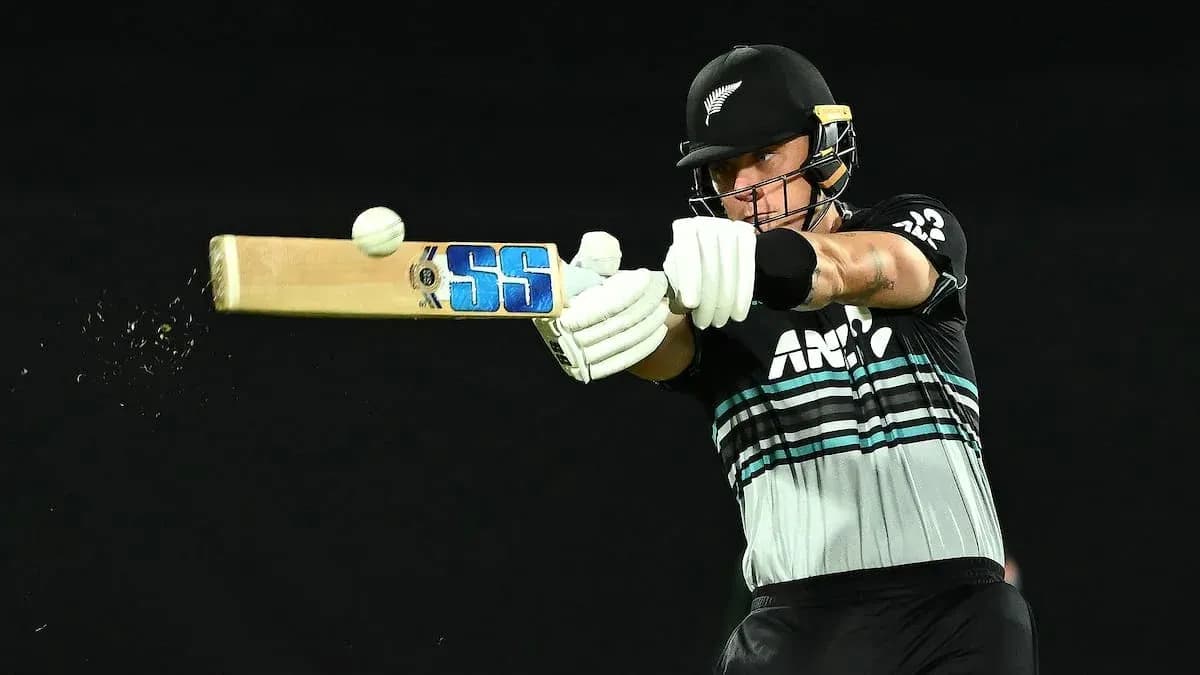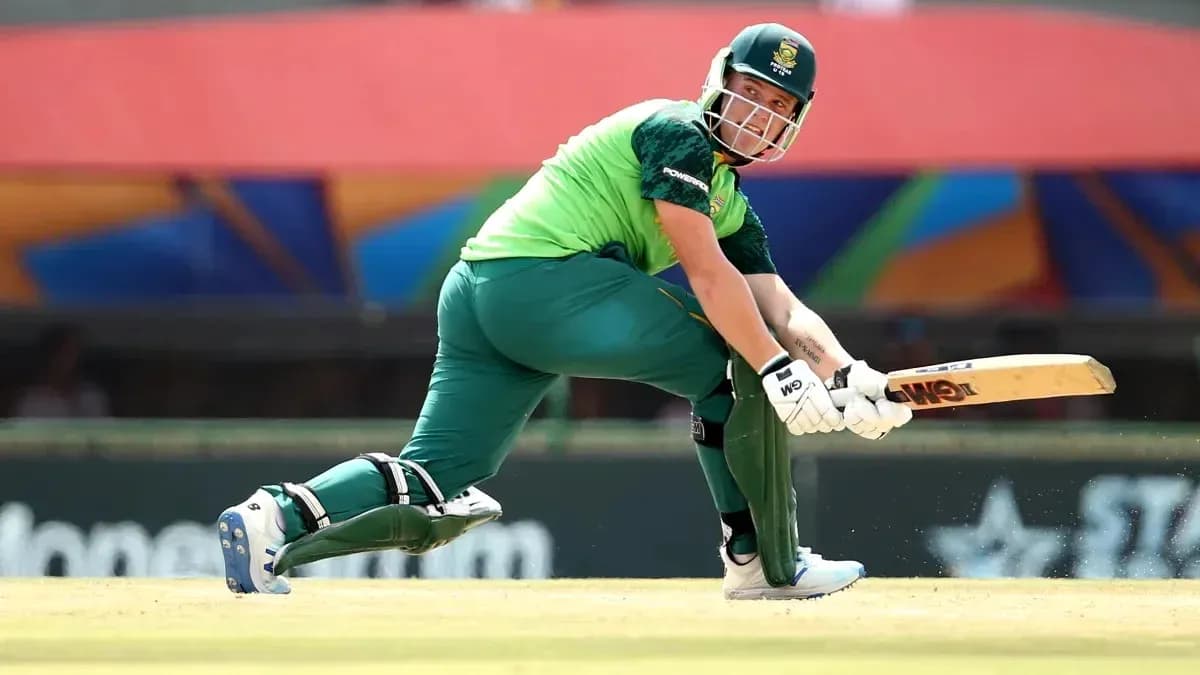
Windhoek steps into the spotlight this week. Three African sides, one compact ground, seven T20Is, and a tournament that means far more than a line in the fixture list.
From August 28 to September 6, Namibia host South Africa and Zimbabwe at the Namibia Cricket Ground in a tri-series that doubles as a testing ground, a talent showcase and, for the hosts, a chance to prove that their rise in the shortest format is no fluke.
A different kind of hierarchy
On paper, the pecking order looks clear. South Africa arrive ranked No. 5 in the world, Zimbabwe at No. 12, Namibia at No. 17. But T20 has a habit of tearing up scripts, and Namibia know it better than most: they’ve beaten South Africa in their only previous T20I meeting, winning by six wickets.
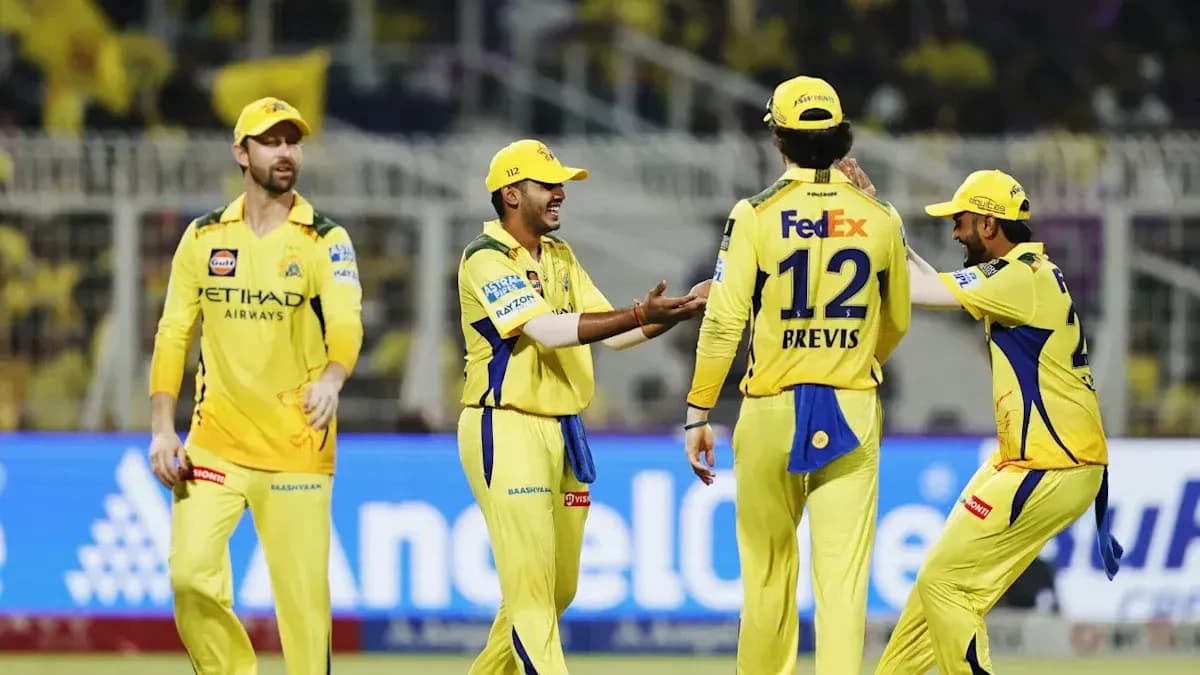
South Africa’s status is undeniable, yet this is no full-strength juggernaut. They’ve sent a second-string squad, captained by left-arm spinner Björn Fortuin and built around the next wave of stars. Dewald Brevis, Kwena Maphaka and Lhuan-dre Pretorius headline a group heavy on IPL potential and light on long-term internationals. It’s a risk and an opportunity rolled into one: a chance to blood youngsters under pressure, with the safety net of their ranking but not of their senior core.
Zimbabwe’s agenda is different. Ranked 12th, they’re already looking ahead to co-hosting the ICC ODI World Cup in 2027. This tri-series offers competitive overs, a look at combinations, and a rare stretch of meaningful cricket in conditions that won’t flatter anyone. There’s no hiding in Windhoek; every weakness is visible, every strength underlined.
Namibia, though, are the heartbeat of this story. At 17th, they shouldn’t be dictating terms, yet they walk into their own backyard with genuine belief. Captain Gerhard Erasmus has made it clear: the days of associates turning up just to “compete” are gone. In T20, two star performers on the day can flip any contest. Namibia have had those days before. They want more of them, and they want them at home.
One venue, one time slot, seven high-stakes games
The format is simple and unforgiving. Each team plays the others twice in the league phase, making six matches. The top two then meet in the final, the seventh and decisive T20I of the series.
Every game starts at 2:00 PM local time in Windhoek. Same ground, same slot, nine days. That rhythm will suit the side that adapts quickest to conditions and manages its resources best.
All matches are staged at the Namibia Cricket Ground, turning it into a pressure cooker for batters and a laboratory for bowlers. By the time the final comes around on September 6, there will be nowhere left to hide and nothing left unknown about the surface.
How to watch around the world
For all three teams, this is a serious cricketing examination. For fans, it’s also a rare chance to watch a tri-series that feels both old-school and sharply modern. Here’s how to follow it.
- India
- TV: Not available
- Live streaming: FanCode
- South Africa
- TV: SuperSport
- Live streaming: SuperSport app
- Namibia
- TV: One Africa TV
- Live streaming: One Africa online portal
- Zimbabwe
- TV: ZBC TV, One Africa TV (via DStv/GOtv)
- Live streaming: ZBC digital platforms, One Africa streaming portal
- United Kingdom
- TV: Not available
- Live streaming: ICC.tv
- USA and Canada
- TV: Willow TV
- Live streaming: Willow TV, ICC.tv
- UAE
- TV: Not available
- Live streaming: ICC.tv
- Australia
- TV: Not available
- Live streaming: ICC.tv
A small tournament with big questions
Seven matches, three teams, one venue. For South Africa’s youngsters, this is a proving ground. For Zimbabwe, it’s a step on a long road to 2027. For Namibia, it’s something more visceral: a chance to show, in front of their own people, that the gap between the so-called big boys and the associates really has closed.
Over nine days in Windhoek, we’ll find out who’s ready to lead the next phase of African T20 cricket—and who gets left behind.