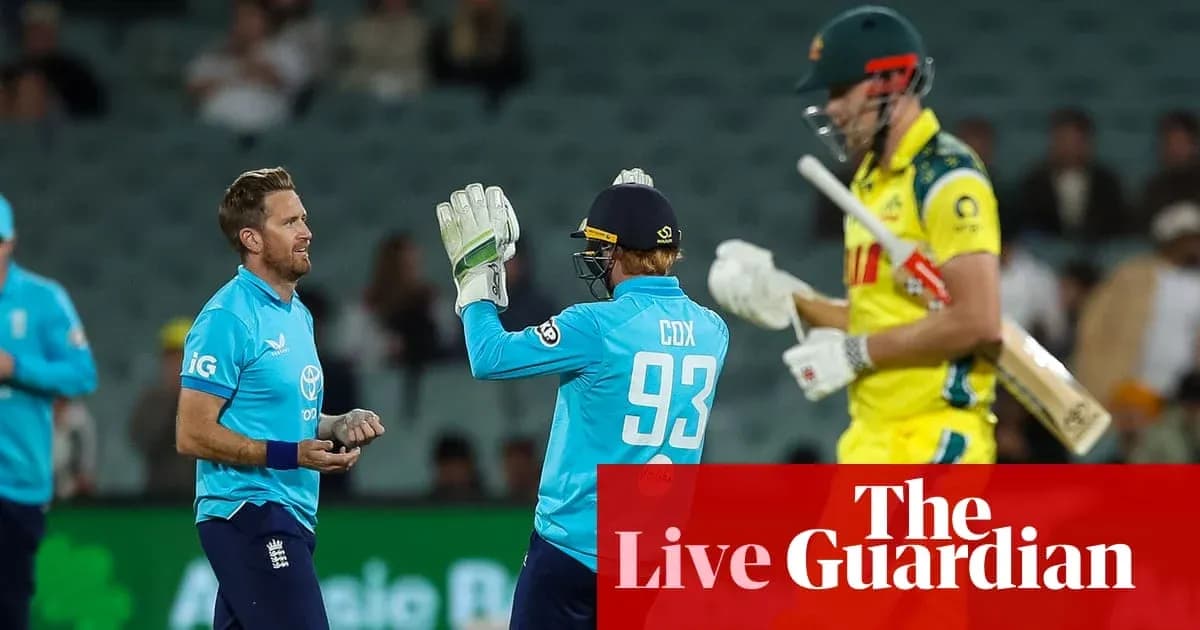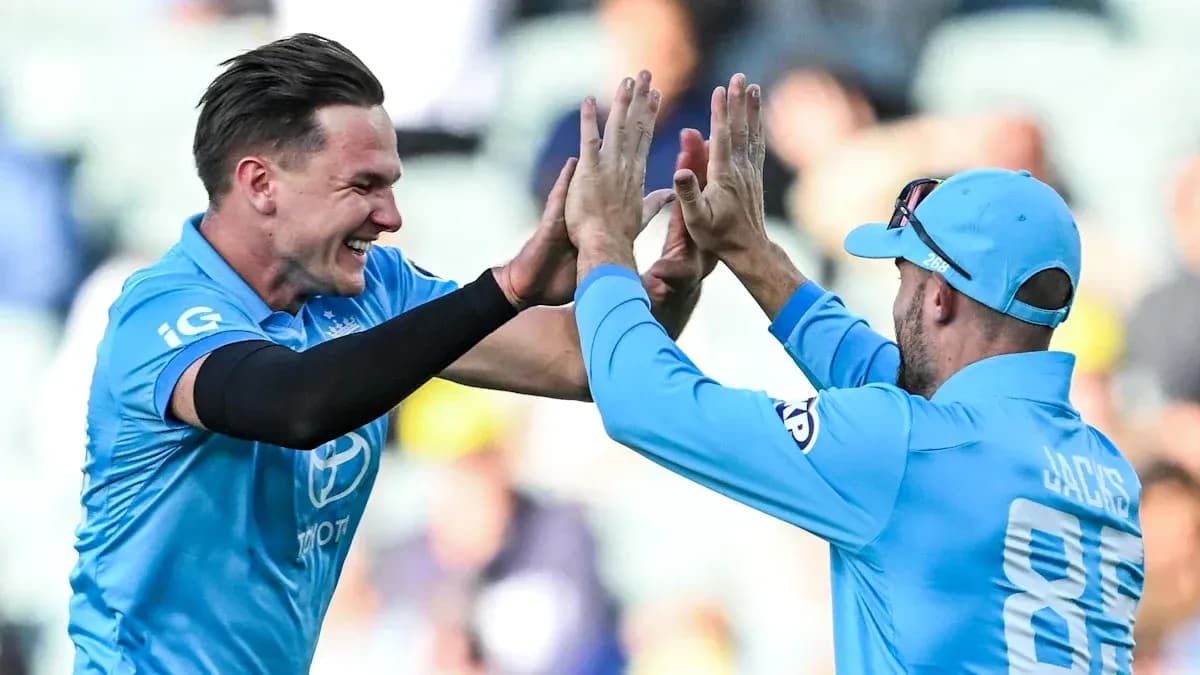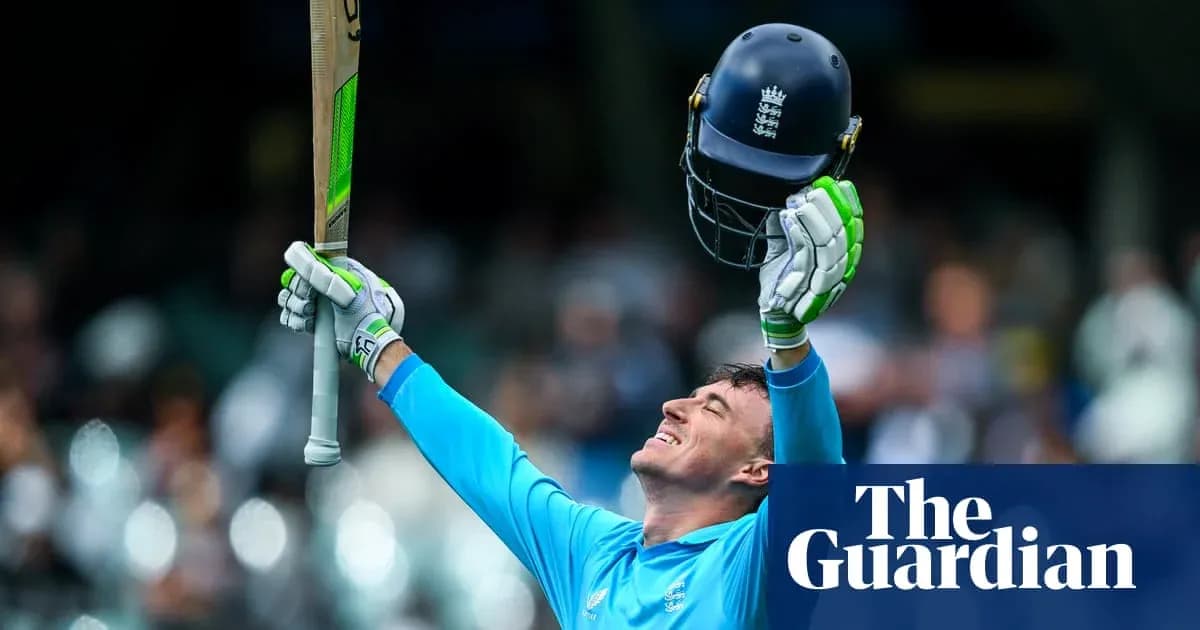
England faced defeat against Sri Lanka in the second one-day international at Headingley, and coach Brendon McCullum addressed his team afterward. He noted the game has changed, pointing out that the ball now plays a bigger role.
That change revolves around reverse swing—the phenomenon where an older ball moves through the air in the opposite direction to what is expected.
In July 2025, ODI playing conditions were altered, allowing captains to pick which of the two white balls used during the match they would use after 34 overs to finish the innings. This means the chosen ball can age and roughen more, sparking a revival in reverse swing that’s affecting how the format is played and opening new possibilities less than a year before the next World Cup.
What Has Been Different?
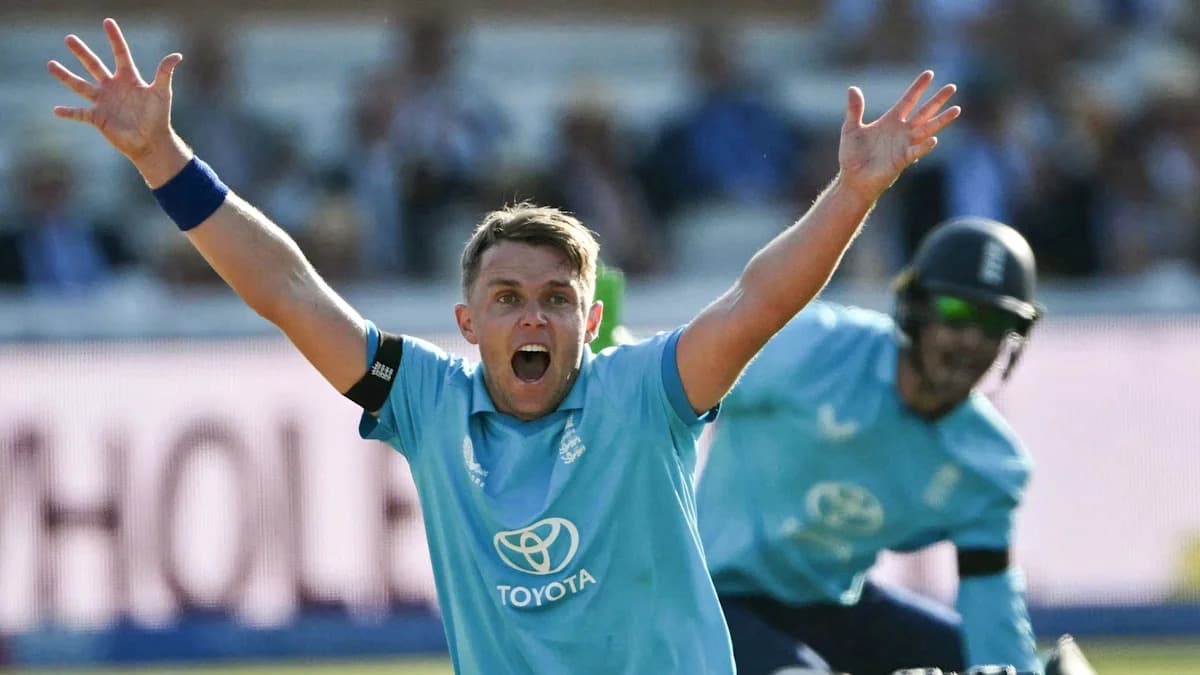
Take the example of Sam Curran bowling for England against India at Lord's in July: he swung the old ball over twice as much in his last spell compared to the start. Contrast that with Saqib Mahmood, who a year earlier found less than half the swing late in an ODI at Cardiff versus West Indies.
These examples reflect a global trend. The change to using one ball for the final 16 overs aimed to help bowlers—and it appears to be working. Since the rule shift, half of pace bowlers’ full deliveries in the last 10 overs have swung more than one degree, up from 35% over the previous 18 months.
This shift has brought a drop in pace bowlers’ economy rates in the last five overs—from 8.40 runs per over to 7.95—and their bowling averages have improved from 19.2 runs per wicket to 18.3. Batting aggressively at the end isn’t as straightforward as before.
England Leading the Way
Pacers are bowling fuller and making use of inswing with the reversing ball. Sri Lanka demonstrated this well at Headingley, delivering 69% of their balls six metres or closer to the stumps, helping them secure a 16-run win.
Still, England seems to have gained the most from this rule change, though their overall ODI performance has also improved this year regardless of the new regulation. Since July 2025, their bowling average at the death dropped from 36.76 to 20.91, and economy rates fell from 9.78 to 7.53, while their batting run rate rose from 8.07 to 9.16.
After losing at Leeds, McCullum urged his squad to rethink strategies around the new conditions. Three days later at The Oval, England surged from 104-2 to 214-2 in the 10 overs before Sri Lanka picked their preferred ball, showing adaptation.
Other Nations’ Experiences
Teams including Australia, New Zealand, West Indies, South Africa, Bangladesh, Pakistan, and Afghanistan have all slowed down during death overs since the rule was introduced. For instance, West Indies’ run-rate at the death has dropped by 2.39 runs per over.
Individual bowlers have seen swings in their fortunes too. Alzarri Joseph from West Indies increased his swing by 84%, dropping his bowling average from 24.1 to 17.4. Lungi Ngidi from South Africa saw his bowling average fall to 13 and economy rate to six after a 63.3% rise in swing.
Others like New Zealand’s Nathan Smith, Pakistan’s Naseem Shah, and Bangladesh’s Mustafizur Rahman have experienced varying results.
Shaheen Afridi, Pakistan’s captain in the tri-series, remains one of the top swingers at the death, averaging 1.3 degrees of movement since the change, compared to 1.2 before. Watching him and Naseem Shah bowl together against England could be intriguing. England’s Jofra Archer leads his team in late movement with an average swing increase of 37% to 0.97 degrees.
What Could This Mean for the World Cup?
Reverse swing isn’t widespread everywhere yet. England has seen a 63% increase in swing at the death, while Bangladesh has had a 33% jump. Matches in Sri Lanka, Bangladesh, and Pakistan—where the tri-series is happening—also show more late movement.
The change is less marked in Australia and South Africa, the latter hosting most of next year’s World Cup. Only three ODIs have taken place in South Africa since the rule started, so it’s hard to predict its impact there. South African games already feature some late movement, and teams tend to score quickly, around 7.35 runs per over.
If reverse swing spikes in those regions, teams might need to score faster earlier in innings than before.
- Rule change: Captains select one ball after 34 overs for the rest of the innings
- Effect on swing: Half of pace deliveries in final 10 overs swing more than 1 degree (up from 35%)
- Pace bowler economy rate: Dropped from 8.40 to 7.95 runs per over in last five overs
- Pace bowler averages: Improved from 19.2 to 18.3 runs per wicket
- England bowling average at death: Fell from 36.76 to 20.91
- England economy rate at death: Dropped from 9.78 to 7.53
- England batting run-rate: Rose from 8.07 to 9.16
- West Indies death run-rate drop: 2.39 runs per over
- Alzarri Joseph swing increase: 84%
- Joseph bowling average: Fell from 24.1 to 17.4
- Lungi Ngidi swing increase: 63.3%
- Ngidi bowling average: Fell to 13
- Ngidi economy rate: Fell from 9.34 to 6
- Shaheen Afridi average swing: 1.3 degrees post-rule change
- Jofra Archer average late swing: 0.97 degrees (37% increase)