The fallout from Pakistan’s bruising defeat at Lord’s has taken a sharp and unexpected turn, moving from the dressing room to the domain of cyber investigators.
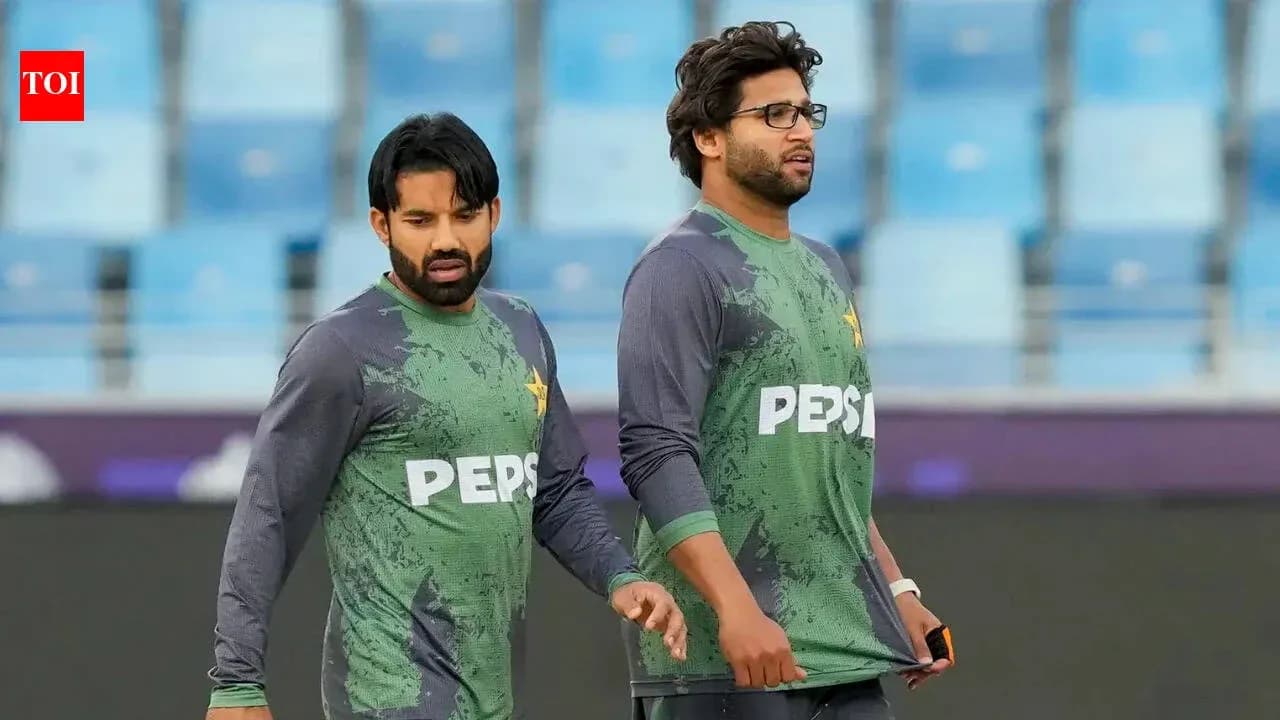
Mohammad Rizwan and Imam-ul-Haq, already sent home in the wake of the 194-run loss to England, have now been summoned by the National Cyber Crime Investigation Agency (NCCIA) after authorities obtained data from their mobile phones, according to Geo News. A third Pakistan player has reportedly received a notice as well, deepening the sense of unease around the national side.
From Lord’s to a cyber-crime inquiry
What began as a cricketing crisis has quickly become something far more complex.
Sources cited by Geo News say the Pakistan Cricket Board (PCB) first took custody of the players’ phones before handing them to the “relevant authorities.” The NCCIA has since issued formal notices to Rizwan and Imam and will examine the information retrieved from their devices as part of an ongoing investigation.
Why the PCB seized the phones in the first place remains unanswered. There is no official explanation from the board, no clarification on the scope or trigger of the inquiry. For now, only the involvement of the cyber-crime agency is clear; the reasons behind it are not.
Seven players sent home, coaches replaced
These developments arrive just days after the PCB swung the axe on both personnel and plans following the Lord’s defeat.
Seven players were released from the touring Test squad and sent back to Pakistan: Rizwan, Imam-ul-Haq, Salman Ali Agha, Ali Usman, Aamer Jamal, Awais Zafar and Khurram Shahzad. The shake-up did not stop at the playing group. Head coach Sarfaraz Ahmed and bowling coach Umar Gul were removed from their roles.
In their place, the PCB turned to its white-ball setup for a reset. White-ball head coach Mike Hesson and bowling coach Ashley Noffke were drafted in to take charge of the Test side, an unusual mid-tour shift that underlined just how rattled the board was by the performance at Lord’s.
The dressing room changed. The support staff changed. Now, even the players’ digital lives are under official scrutiny.
Selection under the microscope
While the NCCIA inquiry grabs headlines, another investigation involving Rizwan and Imam is already in motion inside the PCB’s own corridors.
Earlier this month, the board launched a formal probe into how the two were selected for Pakistan’s Test tours of the West Indies and England. In a notice dated August 31, the PCB demanded a written explanation from a member of its Selection/Advisory Committee who had recommended the pair.
The board asked for detailed reasoning: selection criteria, performance metrics, and any other factors considered when pushing their names into the Test squad. The committee member was given just 24 hours to respond, with the PCB labelling the matter “urgent and of utmost importance.”
So the questions are coming from two fronts now. One arm of the state wants to know what is on the players’ phones. The cricket board wants to know why they were in the Test XI in the first place.
A team under scrutiny on and off the field
For Rizwan and Imam, this is no longer just about form or selection. Their immediate future now runs through meeting rooms and official notices, not nets and training drills.
For Pakistan cricket, the picture is even starker: a heavy defeat, a gutted squad, a coaching overhaul, a selection inquiry, and now a cyber-crime investigation touching its players.
The scoreboard at Lord’s stopped ticking days ago. The questions it sparked have not.