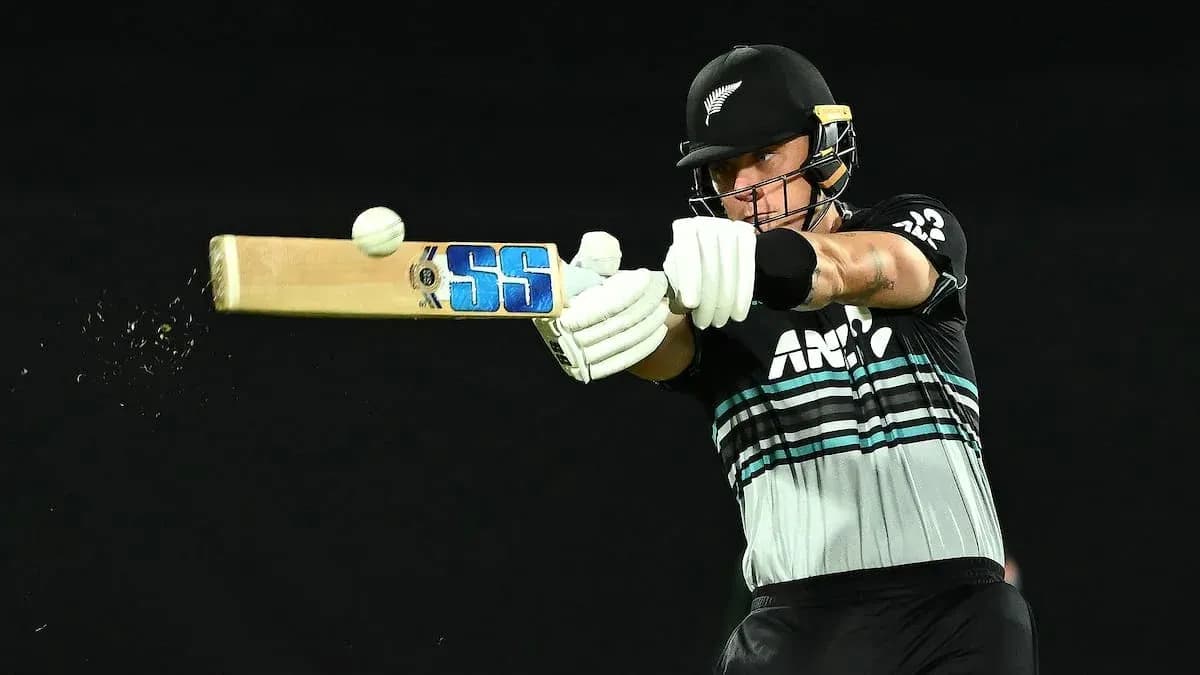
Pakistan cricket is not just losing a Test series in England. It is being ripped up and rewritten.
Two heavy defeats have pushed the Pakistan Cricket Board into drastic action before the tour has even run its course. England have already sealed the series 2-0, crushing Pakistan by an innings and 103 runs at Headingley and then by 194 runs at Lord’s. The third Test at Edgbaston now feels less like a decider and more like a backdrop to a revolution.
Seven players sent home, staff cleared out
The PCB has moved with unusual ruthlessness. Senior figures in the backroom staff are out: Sarfaraz Ahmed and Umar Gul have left the coaching setup. Mike Hesson has been handed control of the side, with former Australia seamer Ashley Noffke installed as his assistant.
Then came the real shock: seven players removed from the squad before the final Test.
Among those sent back are experienced names Mohammad Rizwan, Imam-ul-Haq and Salman Ali Agha. That is not tinkering. That is a line being drawn.
The message is obvious. The board is already looking beyond this tour, towards a younger, hungrier core. England’s dominance has not just exposed Pakistan’s flaws; it has accelerated a rebuild that was clearly simmering in the background.
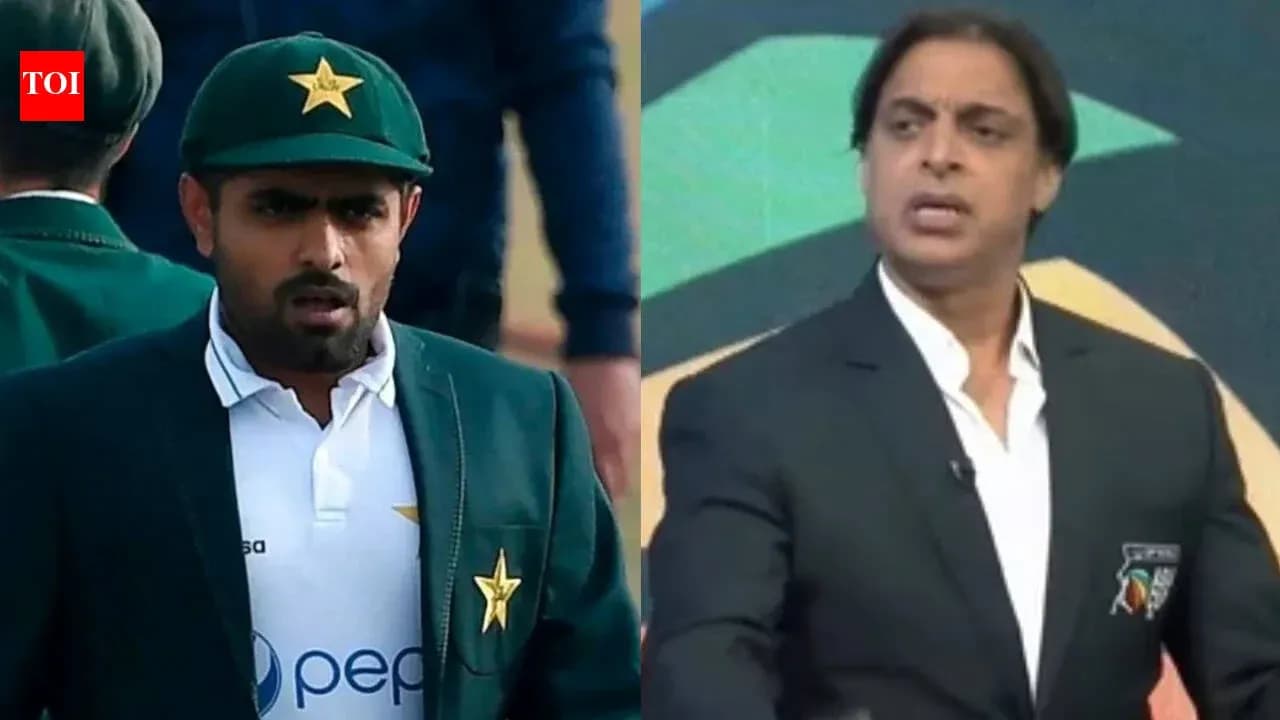
Shoaib Akhtar: ‘They don’t expect anything from this squad’
Shoaib Akhtar, never one to sugarcoat, has given voice to the mood inside the corridors of power.
Speaking on the OutSide EDGE show, the former fast bowler laid bare what he believes is the PCB’s mindset.
“The PCB itself was very disappointed by these people, and they don’t expect anything from this Pakistan squad. The plan is to remove this squad and replace them with younger and newer blood. Players who just want to play for Pakistan. They are looking at the future now, and they are working at it in the right way,” Akhtar said.
It is a brutal assessment: a governing body that has effectively written off a large portion of its current Test group while the series is still alive on paper.
Yet Akhtar’s stance is not simply to cheer on the clear-out. He warned that in the rush to rebuild, Pakistan cannot afford to burn through the few bowlers who still look like long-term pillars.
“In this transition, I just want Shaheen Shah Afridi, Naseem Shah and Haris Rauf’s careers to be saved. These guys have a lot of cricket left in them,” he said.
Those three quicks, all at different stages of their careers, represent Pakistan’s most valuable currency in the modern game. Lose them to mismanagement or overuse, and any talk of a two-year revival becomes fantasy.
‘Nothing’ expected in England
Akhtar’s most striking revelation came from a conversation he says he had with a PCB official before or during the tour.
He asked what the board expected from this side in England.
The answer, he claims, was stark.
“Nothing. We have expectations from the next generation of players that we are preparing for the big stage,” Akhtar quoted the official as saying.
That same official, according to Akhtar, described Pakistan cricket as being “on a ventilator” and estimated it could take around two years to revive the national setup.
The imagery is grim. A team not just out of form, but clinging to life support. A board that has mentally moved on from the players currently wearing the shirt. For those in the dressing room, that is a brutal reality to absorb.
No shock, no fight
Akhtar’s criticism did not stop at boardroom strategy. He turned his attention to the players’ response on the field.
He visited the National Cricket Academy in Lahore during the second Test and noted that, after decades of neglect, serious work is finally being done on the infrastructure.
“After 26 years, there is work being done at the academy now,” he said.
So while chaos swirls around the national side, the foundations are, at last, being dug properly. To Akhtar, none of this upheaval is surprising.
When asked whether the turmoil had shocked him, he dismissed the idea. “What is the shock there? Didn’t you expect that?”
His verdict on the team’s displays against England was even more cutting.
“We didn’t have the fight in us,” he said.
No talk of conditions. No excuses about inexperience. Just a blunt admission that Pakistan failed to stand up when the contest turned brutal.
Edgbaston and beyond
Pakistan now head to Edgbaston trying to avoid a 3-0 whitewash. On the surface, it is a dead rubber. For several players, it might be their last audition before the axe swings again.
Yet the decisions already taken by the PCB make one thing clear: this tour is not the story. The real drama is what comes after it.
If the board is right, and Pakistan cricket truly is “on a ventilator”, then these next two years will decide whether this is the start of a genuine revival or just another chapter in a long, messy decline.