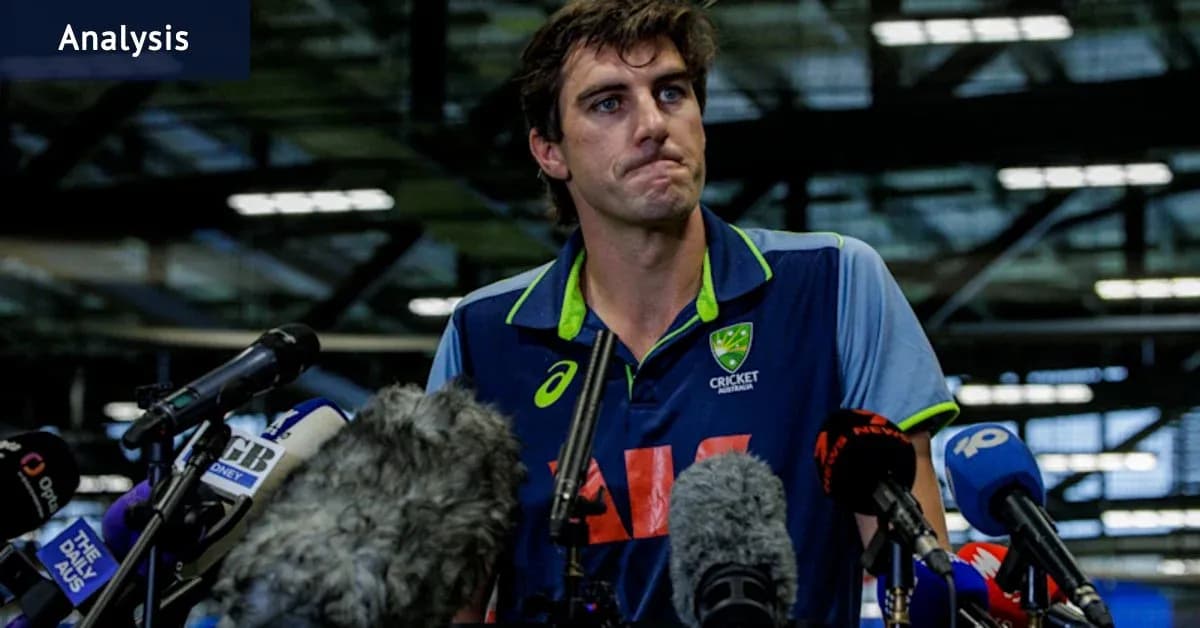
Pat Cummins slipped through a back entrance at Cricket NSW on Friday morning, away from the breakfast TV cameras camped on the street. Australian cricket was again neck‑deep in Sandpapergate, his integrity had been dragged into the blast zone by a former teammate, and the Test captain was about to step into a room packed with close to 100 journalists, photographers and officials.
Sixty‑nine minutes later he walked out having delivered one of the most gripping press conferences modern Australian sport has seen.
No tears. No media minder hovering at his shoulder. Just Cummins, a stack of typed notes, a few well‑directed bouncers for Usman Khawaja and a clear determination to reclaim his own story.
A press conference for the ages
Those who have sat through the full catalogue of Australian cricket crises – from Steve Smith’s sobbing mea culpa to David Warner’s tight‑lipped appearances – will tell you this one was different.
The anticipation helped. Cummins didn’t leave it to Cricket Australia’s press office to quietly shuffle out an advisory; he announced the press conference himself on social media. By 9.30am, the indoor nets at Cricket NSW were jammed. Camera tripods formed a forest. Reporters stood shoulder to shoulder. Outside, morning TV crews waited in vain for his arrival shot.
Inside, Cummins took his seat, Cricket Australia polo on as instructed, after a long night of preparation with his wife, Becky, and his manager, Neil Maxwell. The stage felt more like a Test arena than a media call.
When it finally ended, he wandered out to bowl alongside Mitchell Starc and Josh Hazlewood, then strolled into the public café for a sandwich and photos with fans. The theatre had finished; the captain went back to being a cricketer.
Leadership on the front foot
From the first question, Cummins made it clear there would be no ducking. No “we’ll leave that there”. No “one more, thanks”. He stayed until the room ran out of things to ask.
This was leadership with the pads on.
He had been under pressure to respond ever since Khawaja’s explosive book, Sabr, and its fresh Sandpapergate claims surfaced. Instead of rushing out a statement, Cummins took his time. He went through the allegations line by line, checked details with former teammates, worked out exactly what he wanted to confront – and what he simply couldn’t remember.
When his memory failed him, he admitted it. When it came to the central accusation – that he knew of a plan to use sandpaper on the ball in Cape Town – he was absolute. No hedging, no soft language. He said he had no knowledge of any plot.
He spoke with the assurance of someone who has become an accomplished public performer, but his smartest move was the simplest: he let the press conference breathe. Questions kept coming, and he kept answering.
The longer it went, the more the temperature in the room dropped. What began as combative slowly shifted into something else: a captain fronting up, taking every delivery, refusing to leave the crease.
At one point, an SBS journalist quietly collected their microphone and slipped out. Someone joked about taking a drinks break as the clock ticked past an hour. Cummins stayed put.
The anger behind the calm
For all the poise, the hurt was obvious.
Cummins has spent six years trying to drag Australian cricket out of the wreckage of 2018. Now, thanks to Khawaja’s book and David Warner’s ongoing public push to challenge the official version of events, he’s been pulled straight back into the wreckage.
He made it clear he was angry that his integrity had been questioned. Not just disappointed. Angry.
One of the more human moments came when he revealed Becky had been furious as well. The saga had literally arrived at their doorstep, with The Australian filming the couple in what appeared to be a heated conversation outside their home after turning up by chance. The paper chose not to buy the footage, but the intrusion said enough.
Cummins still found room for humour. With a Sheffield Shield match between NSW and South Australia unfolding just beyond the press pack, he glanced past the cameras, heard an lbw shout and called “not out” to laughter. He even joked that the supposed argument with Becky was just about him putting the wrong bin out.
His words about Khawaja, though, cut far deeper. He called him a friend, then acknowledged that he no longer knew where their relationship stood.
The damage there is real.
A dressing room that lost its way
If anyone still believed Sandpapergate was an isolated brain snap, Cummins put that to bed.
He offered one of his bluntest assessments yet of the culture that led to the scandal. Australia, he said, had “a win-at-all-costs mentality, had an ugly underbelly, and there were too many silos within the team”. He added that he had worked “very hard to eradicate” those traits during his six years as captain.
Cummins missed chunks of cricket through injury in the lead‑up to 2018, but his description of the dressing room painted the backdrop against which Cameron Bancroft, Steve Smith and Warner crossed the line in South Africa. A fractured group. Aggression turned inward. A team that had convinced itself the end always justified the means.
If you want to understand why the scandal refuses to die, start there.
Sandpaper, zippers and the dark arts
One of the most revealing passages came when Cummins walked through the murky line between legal ball maintenance and illegal ball tampering.
He pointed out that Australia had used sandpaper in training sessions to rough up practice balls so batters could face reverse swing. That, on its own, is legal. Working the ball is part of the craft. Changing its condition is not.
Then he opened the door on the “dark arts” that have long been whispered about in dressing rooms at every level of the game.
“I’d heard zippers,” he said. “I’d heard superglue on wicketkeepers’ gloves. I’d heard layers and layers of nail polish. I bite my fingers, so I’d be terrible. Obviously, Murray Mints is one, too. I’d heard … from a long time ago that sandpaper was actually taped in between fingers.
“These are all discussions that I’m sure every suburban change-room has. It’s one thing to talk about it but then it’s another thing to go ahead and do it.”
It was a rare, unvarnished look at how far the conversation can stray inside a change room, and how easily lines can blur.
Cricket as the sideshow
While the captain fought to defend his name, some of the best cricket of the early summer barely registered.
On the same ground, NSW teenager Sam Konstas was compiling a superb 173 in the Shield – the kind of innings that, in a quieter week, would have dominated headlines with a Test summer looming. Instead, he found himself pulled from media duties on Thursday as Cricket NSW tried to keep him away from the Khawaja circus.
He was allowed to speak after play on Friday and took it all in stride.
“It was a bit hectic,” Konstas said. “Obviously there was a lot of media today with Pat. We’ve got a massive job to do [in this game].”
Asked about the crush of cars that morning, he laughed: “I thought they were all coming for me. They were all here for Pat.”
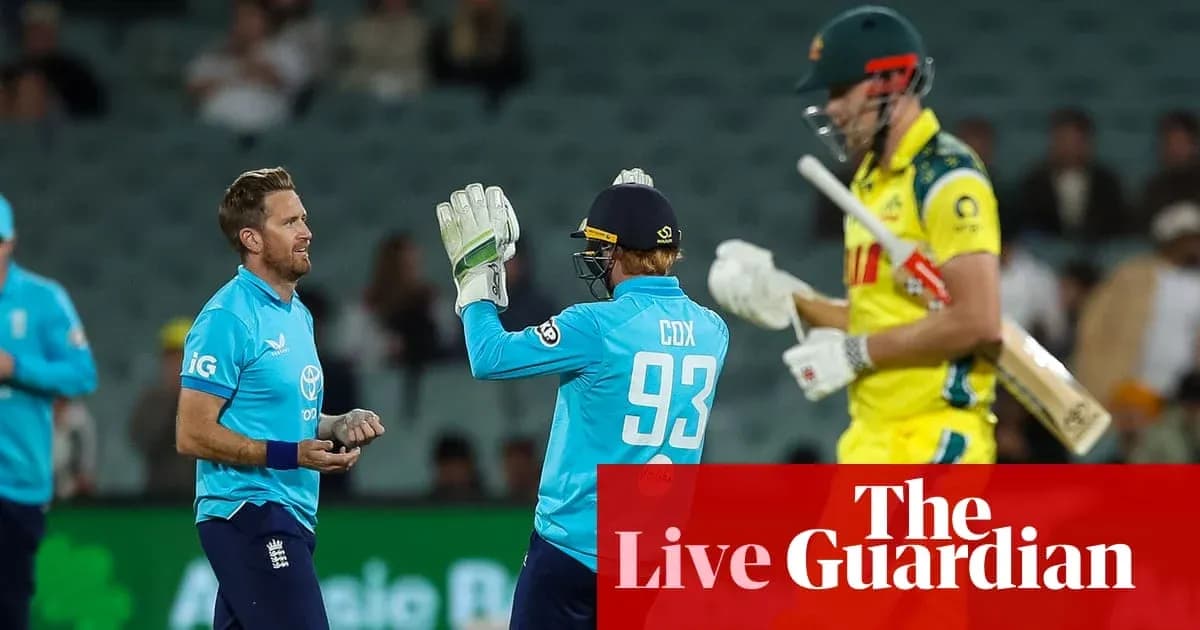
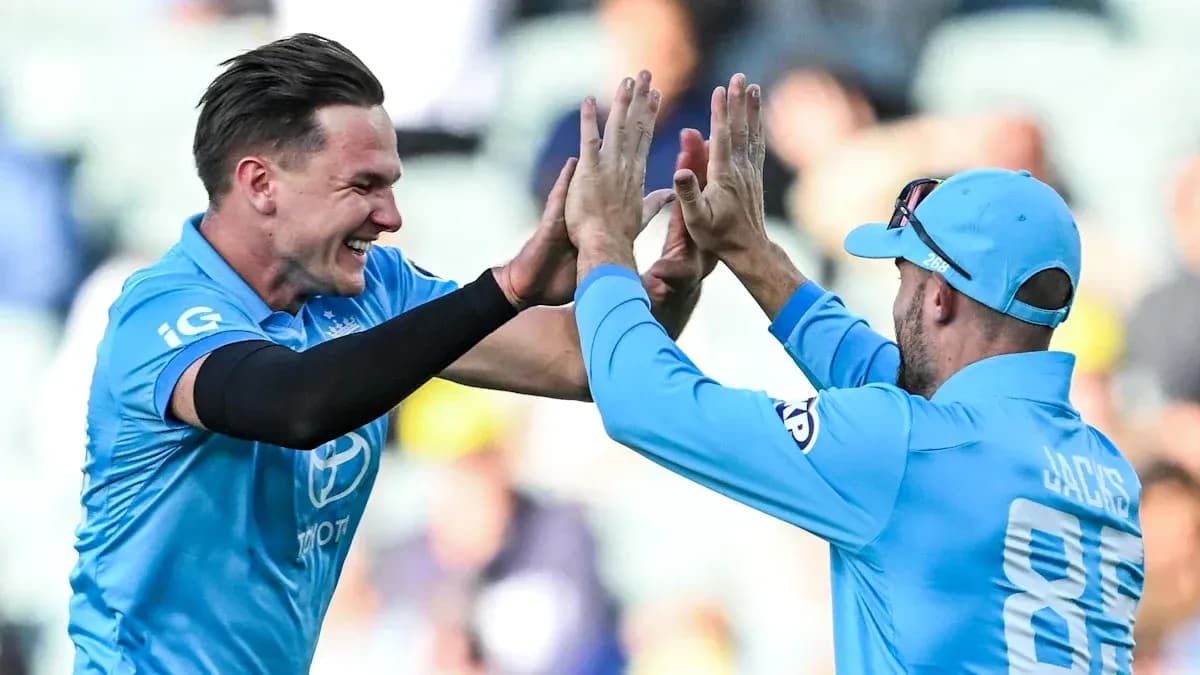
Mahli Beardman, fresh off a six‑wicket haul on ODI debut against England, barely got a mention either. In more normal times, a young quick ripping through England would be the talk of the game. On Friday, Cummins fielded just one cricket question – about Beardman.
Khawaja has argued that his words no longer affect the Australian team because he has retired. Maybe that’s true inside the dressing room. Outside, the sport itself is fighting for oxygen.
Two stories, one scandal, no end in sight
At the heart of this remains a simple, uncomfortable reality: there are now two competing versions of history.
Cummins says Khawaja is wrong. Khawaja and Warner dispute Cummins’ account – and that of the bowlers – about who knew what in Cape Town.
As Cummins pointed out, international dressing rooms are sprawling places. Conversations splinter. Small groups talk in corners. Not everyone hears everything. That, he suggested, may explain some of the conflicting recollections.
Tellingly, he said Khawaja had never asked him for his version of events from 2018 before publishing his book.
Several key figures from that tour are yet to properly weigh in on the new allegations: Smith, Bancroft, Nathan Lyon, Josh Hazlewood, Tim Paine and then‑assistant coach Brad Haddin among them. Warner continues to challenge the established narrative in broadcast appearances, keeping the embers glowing.
Khawaja, for his part, has worn a bruising week. His appearance on ABC’s 7.30, under sharp questioning from Sarah Ferguson, made for uncomfortable viewing. He is due to appear on The Grade Cricketer podcast, though in the wake of Cummins’ intervention, that booking suddenly looks less certain.
Out in the wider public, opinion is split almost down the middle. A poll on this masthead, with more than 18,000 responses at the time of writing, had 46 per cent of readers believing “everyone” knew about the sandpaper in South Africa. Forty‑four per cent did not think every Australian player knew. Ten per cent were undecided.
So the scandal rolls on, fed by fresh recollections, hardening positions and a public that still doesn’t quite know whom to believe.
On Friday morning, Pat Cummins could not bury Sandpapergate. No one can. What he did do, in an indoor net at Cricket NSW, was make it clear that if his integrity is on trial, he will be the one taking guard and facing the music – ball after ball, question after question, for as long as it takes.