At Lord’s, on a day when Pakistan’s bowlers squeezed the life out of England, the biggest flashpoint arrived not from the middle but from the television screens in the pavilion.
The Pakistan Cricket Board has lodged a formal complaint with Sky Sports after the broadcaster aired an 18‑minute interview with Imran Khan’s sons, Suleiman and Kasim, during the lunch interval of the second Test. The PCB’s anger ran so deep that officials even weighed up an extraordinary act of protest: instructing their players not to return to the field after the break.
PCB fury over Imran interview
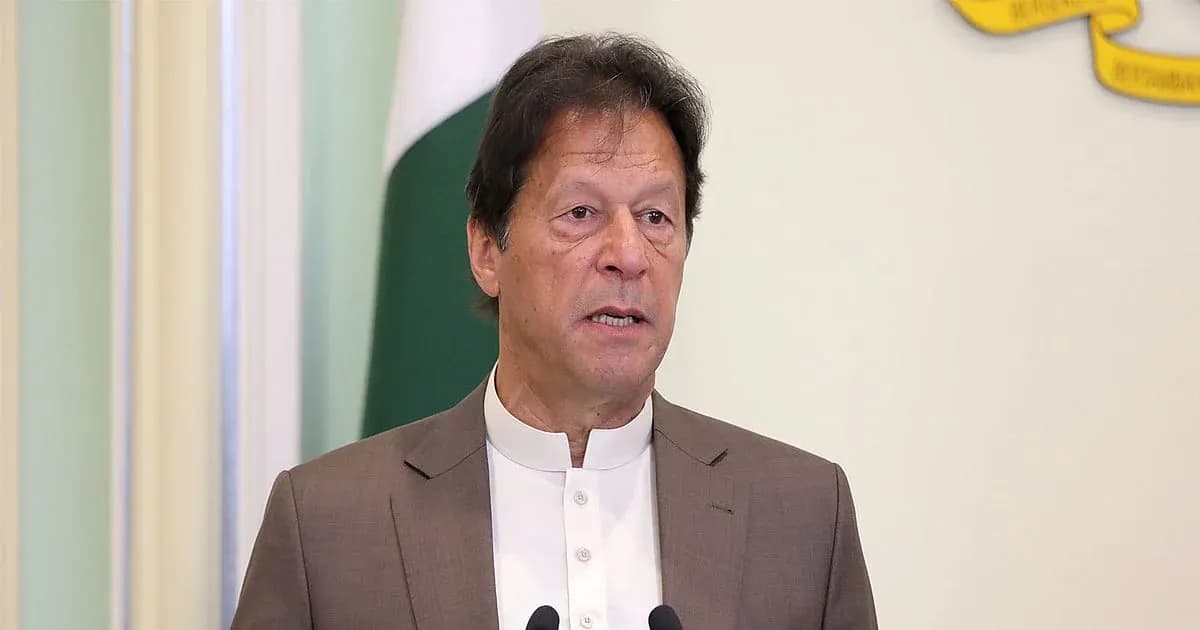
The interview, conducted by Michael Atherton in the Writers’ Room at Lord’s and heavily trailed by Sky before the Test, focused on Suleiman and Kasim’s fears for their father’s health and safety. Imran Khan, Pakistan’s World Cup‑winning captain and former Prime Minister, has been in prison for nearly three years. His family has repeatedly claimed he is being denied adequate medical care.
According to ESPNcricinfo, PCB representatives contacted Sky before the lunch interval and objected to the segment going to air. The board warned that Pakistan’s players could refuse to take the field for the afternoon session if the footage was broadcast.
Sky initially held the interview back. Then pushed ahead.
By the time the programme concluded, Pakistan’s players were already preparing to resume the Test, with play due to restart at 2.40pm local time. Any threat of a boycott fizzled out in the long room and dressing rooms rather than on the turf.
The interview did not appear on Pakistan’s domestic rights holder, PTV, but the decision to show it in the UK – and to place it in the heart of a live Test broadcast – has opened a sharp rift between the PCB and one of cricket’s most influential broadcasters.
Imran’s health back in the spotlight
The timing of the broadcast could hardly have been more charged. In Pakistan, concern over Imran Khan’s condition has intensified.
His sons have gone public with their demands for proper medical treatment. His sisters have raised their own alarms over his care in custody. Last week, Pakistan’s Supreme Court ordered that Imran be moved to Islamabad’s Shifa Hospital for treatment. Instead, he was taken to the state‑run Pakistan Institute of Medical Sciences (PIMS), examined, and then returned to prison.
His family say the court’s instructions were not followed in spirit or in practice. They want him seen by his personal physician, not just state doctors.
The lunch‑time interview at Lord’s, with Suleiman and Kasim laying out their worries, dragged that domestic argument into the global spotlight of a Test match between Pakistan and England.
Former captains rally again
The controversy has also breathed new life into an international campaign on Imran’s behalf.
Twenty‑two former international captains have written to Pakistan’s current Prime Minister, Shehbaz Sharif, urging the government to ensure that the 1992 World Cup‑winning skipper receives appropriate medical care. It is a remarkable roll call: Michael Atherton, Allan Border, Michael Brearley, Greg Chappell, Ian Chappell, Belinda Clark, Alastair Cook, Michael Gatting, Sunil Gavaskar, Kapil Dev, Adam Gilchrist, David Gower, Nasser Hussain, Clive Lloyd, Arjuna Ranatunga, Andrew Strauss, Steve Waugh and John Wright among the signatories.
Their letter follows an earlier appeal, signed by 14 former captains in February. That first intervention, ESPNcricinfo reports, drew no response from the Pakistan government.
The new letter raises the stakes. So did the decision to air Suleiman and Kasim’s interview in the middle of a Test. For many watching in Pakistan, the lunch interval at Lord’s felt less like a break in play and more like a political broadcast.
Pakistan tighten their grip on the field
Out in the middle, Pakistan’s players cut through the noise with the ball.
After choosing to bowl first, they reduced England to 248 for nine by stumps, a scoreline that flattered the hosts more than the visitors. Mohammad Abbas led the assault with four wickets, his relentless line and length grinding England down. Another three‑wicket haul from the supporting cast kept the pressure unrelenting.
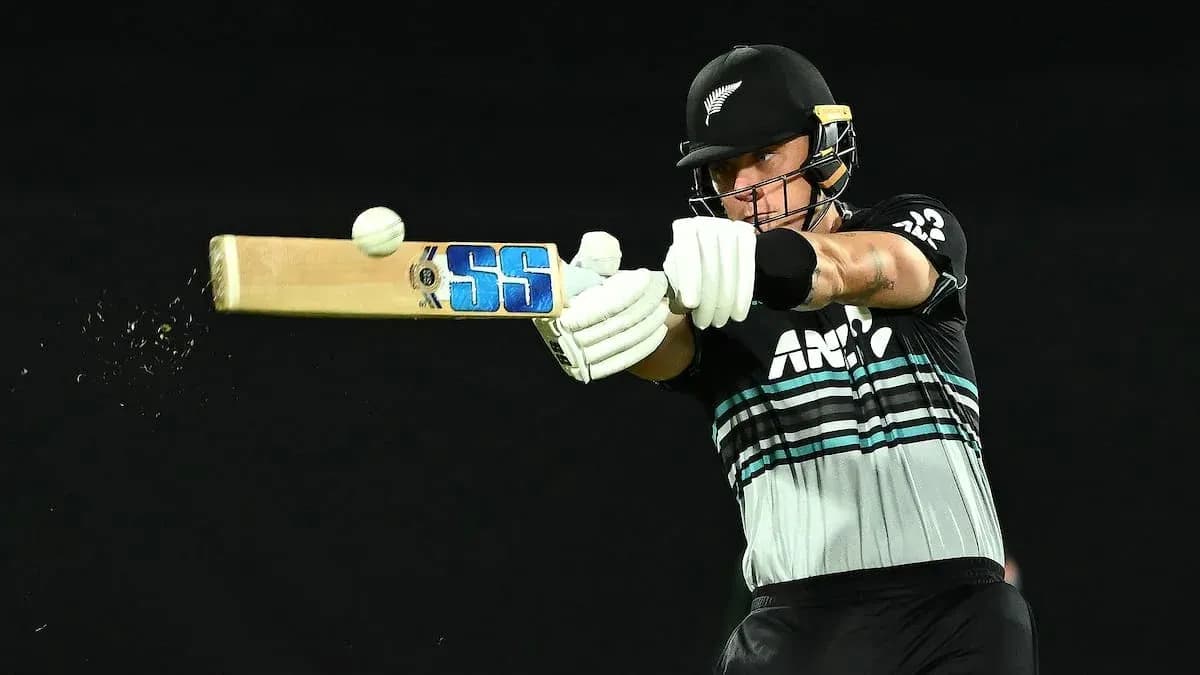
England’s innings needed rescuing, and for a time Jamie Smith and Jordan Cox managed it. Smith’s 61 and Cox’s 55 offered resistance, a partnership that threatened to tilt the day back towards the home side. Each played with a measure of calm in the storm, picking off anything loose and dragging England away from outright collapse.
But Pakistan never really loosened their grip. Wickets kept coming, the run rate never truly escaped, and by the close England were clinging on with one wicket in hand.
So Pakistan walked off in control of the Test, even as their board sparred with a broadcaster and their most iconic captain’s fate hung over the occasion.
The next question is as stark as the Lord’s slope: can a team stay locked in on a series when the battle over its greatest figurehead is being fought, live, in the interval?