England survived Razaullah’s storm at Edgbaston, but the bruises will linger far longer than the scorecard.
A 21-year-old debutant, batting at nine, turned a routine closing job for Joe Root’s side into an evening of chaos and accusation. By the time Razaullah walked off, stumped for a ferocious 81 from 63 balls, England’s methods had been shredded by their own greats and their captain’s authority was once again under the microscope.
A debut that tore up the script
This was supposed to be simple. Pakistan eight down, the scores level, England’s attack rampant all summer and a 3-0 clean sweep within touching distance.
Razaullah had other ideas.
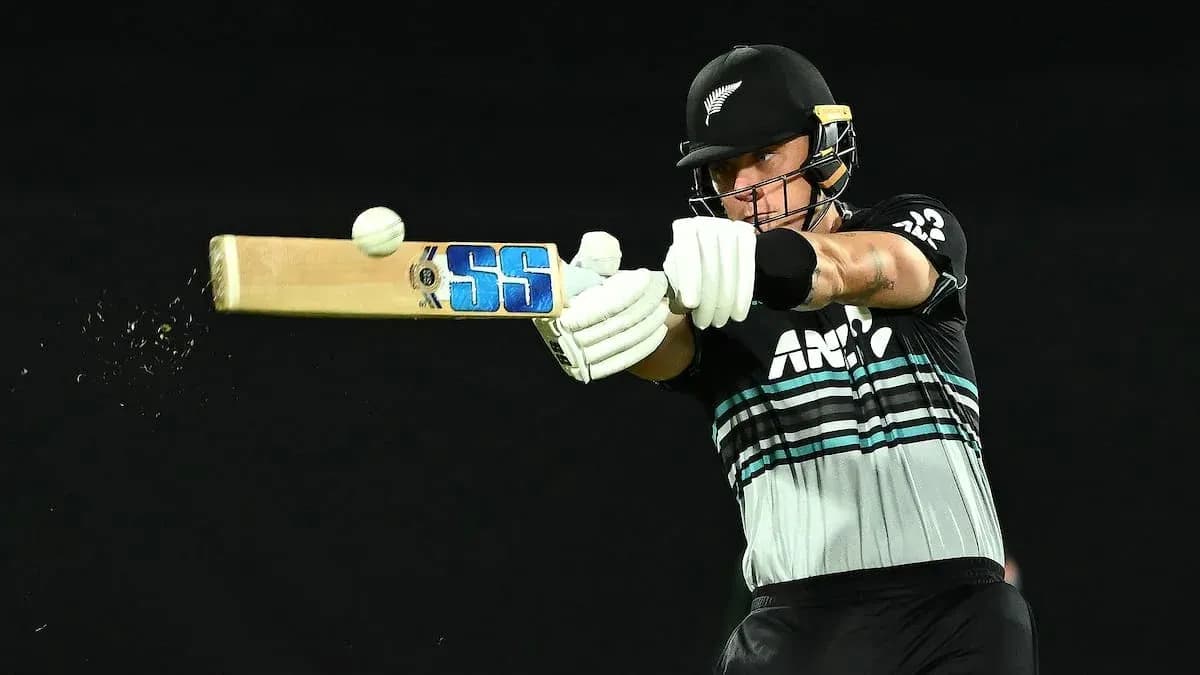
He arrived with Pakistan still vulnerable and left with them 453 all out, having lashed nine sixes and shared a 121-run ninth-wicket stand with Muhammad Abbas that dragged the match into an unlikely fourth day and left England chasing 130.
It was not just the numbers that stunned Edgbaston. It was the manner. Razaullah swung with conviction, not desperation, repeatedly launching England’s quicks back over their heads and into the stands. He equalled the record for most sixes in an innings by a batter on Test debut, and matched Ben Stokes’ mark for the most sixes in a Test played in England.
For a supposed tailender, he looked nothing of the sort. For an established Test attack, England looked anything but.
“No plan… out of control”
As the ball disappeared into the Birmingham night, the commentary box grew increasingly incredulous.
Alastair Cook, never one for cheap hyperbole, did not hold back. On Test Match Special he called out England’s muddled thinking in stark terms.
“What I saw was no plan, it got out of control,” he said. “You can get done by the tail – it’s very hard when people have the license and ability to hit sixes. That’s when you need the backroom staff and coaches to step up. I would loved to have seen a message and some real leadership from the coaches.”
The verdict cut to the heart of the unease around Root’s second stint as captain. His tactical acumen was repeatedly questioned first time around. Those concerns resurfaced when he briefly stood in for Ben Stokes earlier this summer. This was the kind of session that reopens old files.
Root’s fields drifted. His bowlers persisted with plans that plainly were not working. The sense of control, the currency every Test captain lives and dies by, evaporated.
Short balls, spread fields, and a “bonkers” new ball
The tactics during the Razaullah–Abbas partnership veered from stubborn to baffling.
England’s seamers locked into a short-ball strategy, ringed by boundary riders. The bouncer barrage came with eight fielders pushed back at one stage for Gus Atkinson, an image that jarred with the basic principle that numbers nine and 10 should be tested at the top of off stump, not treated like set white-ball finishers.
When they did try to pitch the ball up and attack the stumps, they lost their radar. The pressure they had built over two and a half days slipped away in a blur of misdirected lengths and sliced plans.
Then came the moment that left former England fast bowler and BBC commentator Jonathan Agnew almost spluttering.
“Dan Lawrence, a part-time off-spinner, took the second new ball. Not Ollie Robinson, the leader of the attack this summer. Not one of the frontline quicks. Lawrence, who had barely bowled in the series, was handed the gleaming cherry.”
“Appalling,” Agnew called the tactics. “You cannot and should not bowl like that to tailenders as soon as they come in. You have to set the tone when you’re bowling against tailenders. Yes, you bowl aggressively, but in a controlled way. They are numbers nine and 10 for a reason. It was bitterly disappointing.
“Dan Lawrence is a part-time off-spinner and he took the second new-ball. If you’re looking for any aspect of the day that is utterly bonkers, that is it.”
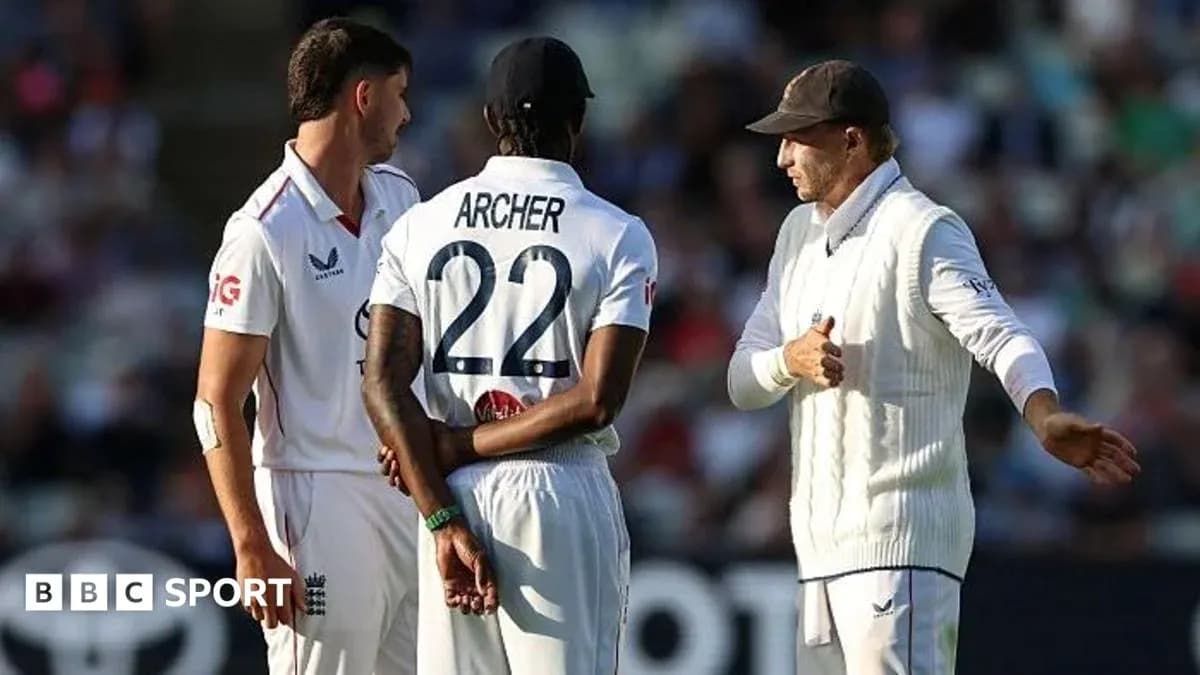
It was not just the pundits. The body language on the field told its own story. Jofra Archer, usually ice-cool, looked exasperated as Razaullah drilled him for back-to-back straight sixes. Root at times seemed bereft of ideas, his shoulders sagging as the ball sailed away yet again.
Where was the on-field leadership?
Michael Vaughan, another former England captain, went further, questioning not only the plans but the personalities within the side.
“We shouldn’t be surprised by England, they’ve delivered tactically like this on a regular basis,” he said. “I think they’ll win this game but they can’t keep making mistakes like that. The basics of Test cricket generally work and that’s to hit the top of the stumps. It’s a bit of a warning sign that this attack is very good but they aren’t the finished article just yet.
“Who are the characters in the team who are going got grab a hold of everyone and say, ‘right, I’m going to make a moment’. I didn’t see it from anyone today.”
That accusation stings. This England side has built its identity on front-foot intent, on seizing key moments rather than waiting for them. Here, with a series already in the bag and a modest target looming, they drifted. Root even left the field at one stage to consult with the backroom staff, a rare and telling move for a captain in the middle of a crisis.
The consultation did little to stem the flow. Razaullah kept swinging. Abbas kept resisting. The crowd, half in awe and half in disbelief, rode every blow.
Trescothick defends, but questions remain
Eventually, the pressure relented. Abbas edged Josh Tongue to point. Razaullah, still hungry for one more blow, charged Lawrence and was stumped off the final ball of the day, Pakistan all out for 453 and the damage done.
Interim head coach Marcus Trescothick, standing in until Stephen Fleming takes charge from December’s tour of South Africa, cut a measured but disappointed figure afterwards.
“We were in a position where they were eight down and the scores were level. We were hoping to go through them pretty quickly,” he said.
“We tried many different things. You have variations of plans. We bowled the short ball for a period of time, then length for a period of time, then a bit of spin. You’re always chopping and changing, with various ideas.
“You’d always like to think you can do it better and you analyse it afterwards saying, ‘right, was there an area or tactic we missed to get it right?’ You hope in those situations when you bowl it in the right place, which we did on many occasions, that you get the nick or bowl them. Fair play, they played pretty well.”
He was right to credit Pakistan’s pair. Razaullah, in particular, played the innings of a lifetime. Yet the broader picture is harder for England to brush aside.
Root’s captaincy is once again under intense scrutiny. The bowling group, so impressive for much of the summer, showed how quickly discipline can fray when plans lack clarity. The temporary coaching setup, with Trescothick supported by bowling coach Tim Southee – who was seen repeatedly on the boundary rope during the stand – will know this is the tape Fleming rewinds first when he walks through the door.
England should still finish this Test with a win and a 3-0 scoreline. The chase of 130 ought to be a formality for a batting unit that has feasted on far sterner targets.
But the real question hangs over what happens when the stakes are higher, the opposition stronger, and the margin for tactical error far slimmer. On a wild third evening at Edgbaston, a 21-year-old number nine forced England to confront that uncomfortable truth.