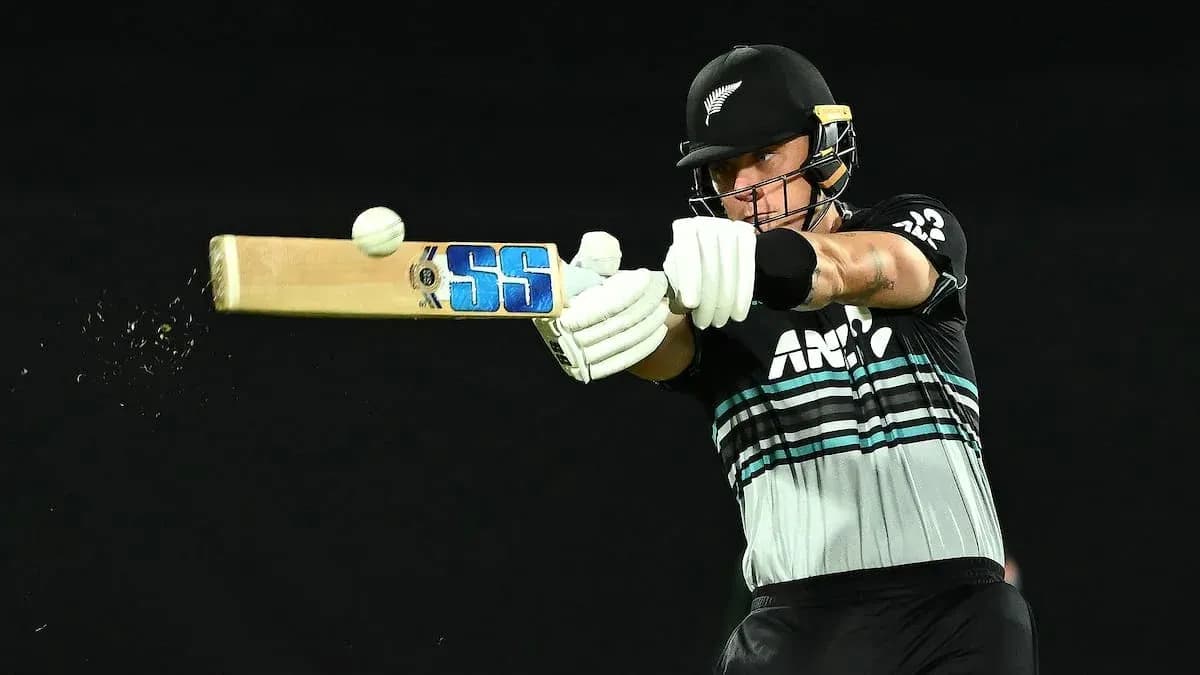
Shai Hope and Shimron Hetmyer eased into their work with the calm of players who know an innings can be built in singles as much as in sixes, turning a potentially tricky passage into a quietly authoritative partnership.
The over from Saim Ayub framed the mood. Hope, watchful at first, met a teasing leg-break with a soft leading edge back to the bowler. No fuss, no risk. Then came the rotation. A gentle push down to long-on, a tap into the leg side, both men happy to keep the board moving rather than forcing the pace against spin that was just beginning to grip.
Hetmyer, at the other end, played within himself but never looked stuck. He took a skiddy one from round the wicket, inside-edging it fine to backward square for a run, then used the flight outside off to dab wide of cover-point. Nothing flashy, just smart, low-risk accumulation while he sized up the surface and the bowling.
The tempo changed when Keemo Paul returned. Hope was first to pounce, rocking back to a short ball on middle and pulling it along the ground to deep mid-wicket. The timing was clean, the intent clear: anything loose would go.
Then Hetmyer lit the fuse.
Paul went round the wicket and dug in short outside off. Hetmyer didn’t muscle it; he out-thought it. Using the pace, he opened the bat face and ramped the ball over third man for six, a deft, audacious stroke that shifted the energy instantly. It was the kind of shot that tells a bowler he’s in a contest now, whether he likes it or not.
Paul dragged his length back again, and this time Hetmyer rolled his wrists, keeping the pull shot down to deep square leg for a single. The boundary had done its job; the field had spread, the pressure had flipped. When the bowler tried to tuck Hope up with a back-of-a-length ball angling in, the right-hander missed the glance, but the ball kept shaping down the leg side and the umpire’s arms went out for a wide. Another small win for the batters.
Hope’s response was sharp and calculated. A checked stroke into the off side as a slower, holding delivery sat in the pitch a touch longer, steered wide of backward point for one. Then came the kind of moment that defines good white-ball partnerships: Hope dropped the ball in front of the keeper, looked up, and Hetmyer was already moving. Both committed, both quick, and they stole a single that lesser pairs would have turned down.
By the time Ayub and Paul had finished their spells in this phase, Hope and Hetmyer had done more than just survive. They had absorbed, assessed, and then quietly taken control — a ramped six here, a scampered single there, and a field gradually pulled to their will.
On a night like this, it was the small exchanges — the soft hands, the quick calls, the clever use of pace — that hinted at something bigger brewing in the middle.