Temba Bavuma will lead South Africa into a fresh home summer, with pace and intent stamped all over the squad named to face Australia in a three-match ODI series later this month.
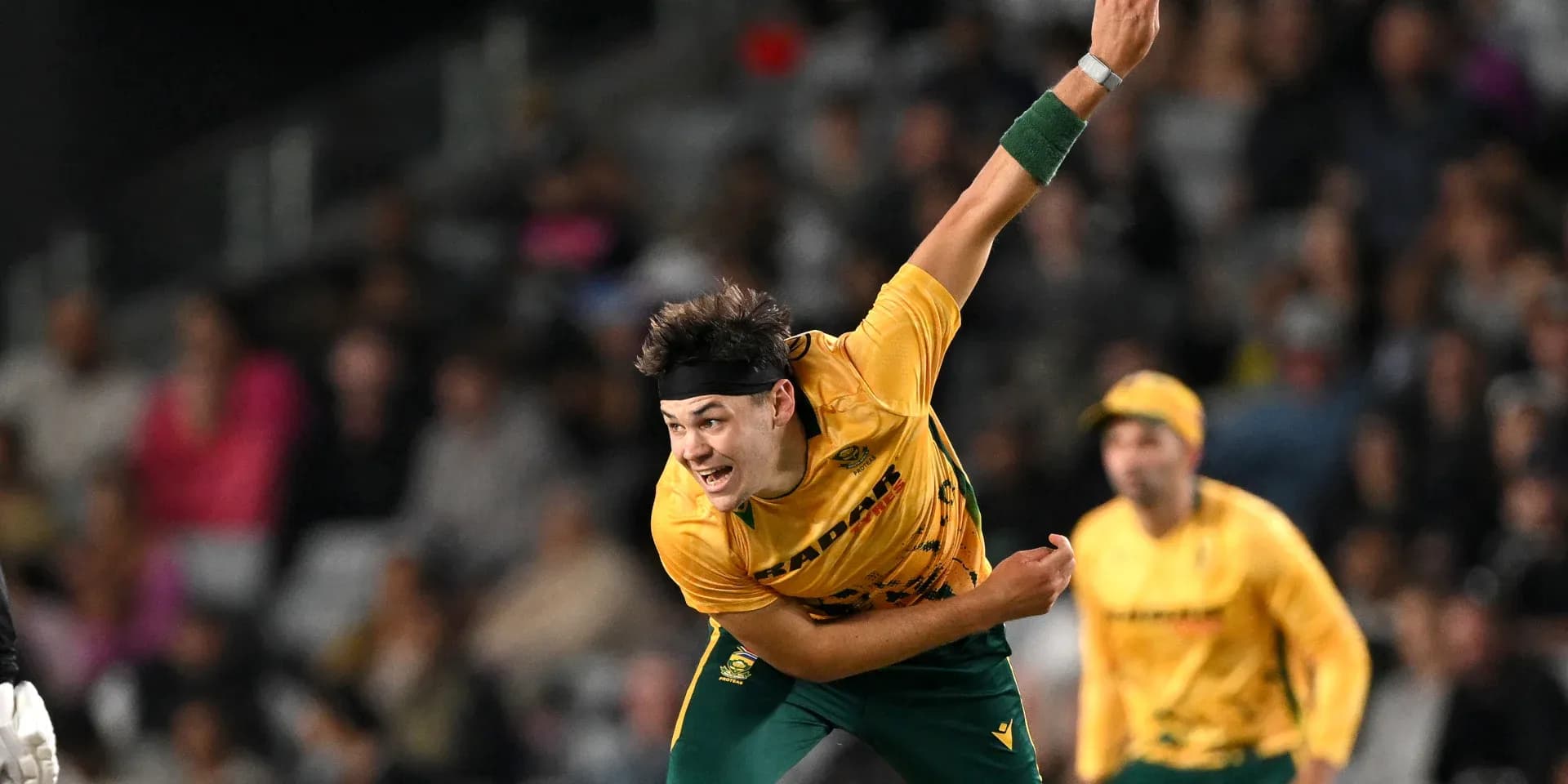
The headline story is the return of Gerald Coetzee. Three years after his last 50-over appearance, the 25-year-old fast bowler is back in green and gold, rejoining a pace unit built to bruise.
Bavuma at the helm, fire in the attack
Bavuma, confirmed as captain, fronts a group that leans hard into South Africa’s traditional strength: fast bowling. Coetzee joins Ottneil Baartman, teenage left-armer Kwena Maphaka and the experienced Lungi Ngidi, with allrounders Corbin Bosch and Marco Jansen deepening the seam options for the series from 24–30 September.
Lions spinner Bjorn Fortuin, currently captaining the Proteas on their white-ball tour of Namibia, and Keshav Maharaj round off a balanced bowling attack that can both squeeze and strike.
The omission is as significant as the inclusions. Kagiso Rabada misses out through injury, a major hole in any South African squad. Head coach Shukri Conrad was blunt: Rabada’s absence opens the door for others. For Coetzee, it is a clear invitation to reclaim his place as a central figure in the 50-over set-up. For Baartman, it is another chance to show why his death-bowling reputation has grown so quickly.
Batting built for power and resilience
With a World Cup just over a year away, this is not a casual September hit-out. Conrad has spoken of clarity on roles and combinations, and the batting group reflects that planning.
At the top, Quinton de Kock, Ryan Rickelton and Tony de Zorzi offer contrasting styles but similar intent, with Aiden Markram available for the second and third Dafabet ODIs to add class and versatility. The spine of the order has been shaped with one clear idea: hit hard, but bat deep.
The middle order carries serious punch. Matthew Breetzke, David Miller and Tristan Stubbs bring power, range and the ability to change the pace of an innings in a handful of overs. Conrad has stressed the need for a middle order that can both explode and absorb pressure, and this trio sits at the heart of that plan.
Australia, history and a pink cauldron
The series opens in Durban on 24 September at Hollywoodbets Kingsmead Stadium, the first assignment of the home summer. From there, the teams head to Johannesburg for the Dafabet Pink Day at DP World Wanderers Stadium on 27 September, before the tour closes at the NWC Oval in Potchefstroom on 30 September.
Australia know this is no gentle welcome. Their last ODI visit to South Africa in 2023 ended in a stinging reversal: 2-0 up in a five-match series, they were overrun as the Proteas stormed back to win 3-2. That comeback still hangs in the background, a reminder that South Africa, on home soil, rarely stay down for long.
Pink Day, as always, stands apart. It is more than a fixture; it is an event, a statement, a sea of colour with a serious purpose. The Wanderers will turn into a pink bowl again on 27 September, with the Proteas tasked not only with taking on Australia but with helping drive awareness and support in the fight against breast cancer.
A squad with one eye on now, the other on 2027
Conrad has made no secret of it: this series is part of the road to the next World Cup. Bangladesh and England await later in the season, and the combinations tested against Australia will feed directly into those contests.
For Bavuma, it is the start of a defining stretch as captain. For Coetzee, it is a second chance in a format that suits his hostility. For youngsters like Maphaka, it is the first real taste of Australia in full glare.
South Africa have named their squad. The venues are set. Australia are coming.
Now the question is simple: can this new-look Proteas side turn promise and planning into a statement against one of the game’s hardest measuring sticks?