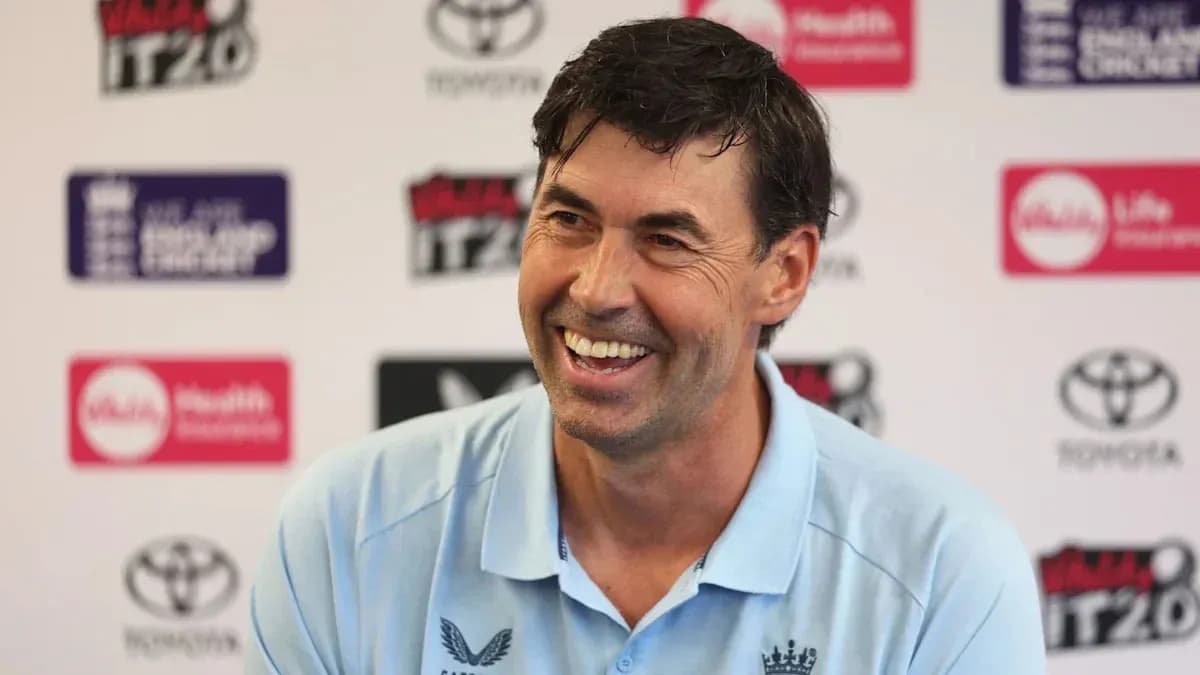
Stephen Fleming has not coached a single over for England yet, but he already speaks the language that matters most in these parts.
The Ashes.
The new Test coach, calm but unmistakably driven, made it clear in his first major media appearance that he shares what he called English cricket’s “obsession” with beating Australia – and that he’s bringing a lifetime of trans-Tasman scar tissue with him.
“We want to beat the Aussies,” he told BBC Sport. “New Zealand has an obsession with it, we love it… We have a deep desire to beat Australia in everything, as the little cousin.”
For a man who never won a Test against Australia in 14 attempts as New Zealand captain, the chance to shape an Ashes campaign from the England dressing room feels like unfinished business on a grander stage.
“You don’t think you’re ever going to get that opportunity,” he said. “To have that opportunity and be part of it, I can’t wait.”
The next Ashes, in the UK next summer, suddenly has a new central character.
From McCullum’s chaos to Fleming’s control
Fleming arrives officially in December, taking charge for the tour of South Africa after being appointed in July. He inherits a side that has lurched from exhilarating to erratic under his close friend and former team‑mate Brendon McCullum.
England won only two of McCullum’s final 10 Tests. The last memory of his tenure in red-ball cricket: a 4-1 hammering in Australia.
McCullum remains in charge of the white-ball sides, but the Test team has a new voice. And a very different one.
Asked to explain the contrast, Fleming smiled: “I’ll bet on the favourite and he’ll bet on the longest odds possible.”
That line cuts to the heart of what England can expect. McCullum’s tenure was defined by audacious, long-odds punts – declarations, chases, fields – that thrilled, until they didn’t. Fleming sounds like a man far more comfortable playing the percentages, even if he still wants some swagger.
On the idea of a branded style – the “Bazball” tag that came to define McCullum and Ben Stokes’ England – Fleming was blunt.
“I don’t think so,” he said. “The greatest thing for a team to do is to be able to play conditions and situations.
“I’d love people to say we are well-planned, there’s a discipline and a really strong basic structure to what we’re doing, but there’s also a bit of flair.”
Structure first. Flair on top. Not the other way round.
Discipline, standards and the Carse question
If the cricketing philosophy sounded measured, the message on behaviour was harder edged.
The final months of McCullum’s reign were overshadowed by late‑night drinking controversies. Those issues did not disappear with a change of coach. On Friday, Derbyshire Police confirmed they had closed an investigation into England fast bowler Brydon Carse following allegations of an assault last month. No police action will follow, but Carse now faces an investigation from the Cricket Regulator.
He is technically available for England selection, though he has not featured in any squad since the Derby incident.
Fleming did not address Carse by name, but he did not dodge the wider issue.
“There are standards,” he said. “We pick on runs and wickets primarily, but I think it’s foolish not to also say there are standards that need to be set.
“You need to behave in accordance with your position. We’re in a very privileged position, and it’s understanding that privilege and what goes along with it. It can’t be convenient.”
Then the line that will echo around dressing rooms.
“You’ve got to live it every day. If we can create something when you want to live it every day and better, then that’s really powerful.”
For some players, that will feel like a tightening of the reins. For England’s hierarchy, after a turbulent year off the field, it will sound like overdue grown‑up supervision.
Stokes stays retired – and Fleming won’t beg
Ben Stokes has been the heartbeat of England’s Test side for a decade, and the idea of a new coach not at least testing his resolve to stay retired would seem unthinkable.
Fleming thinks otherwise.
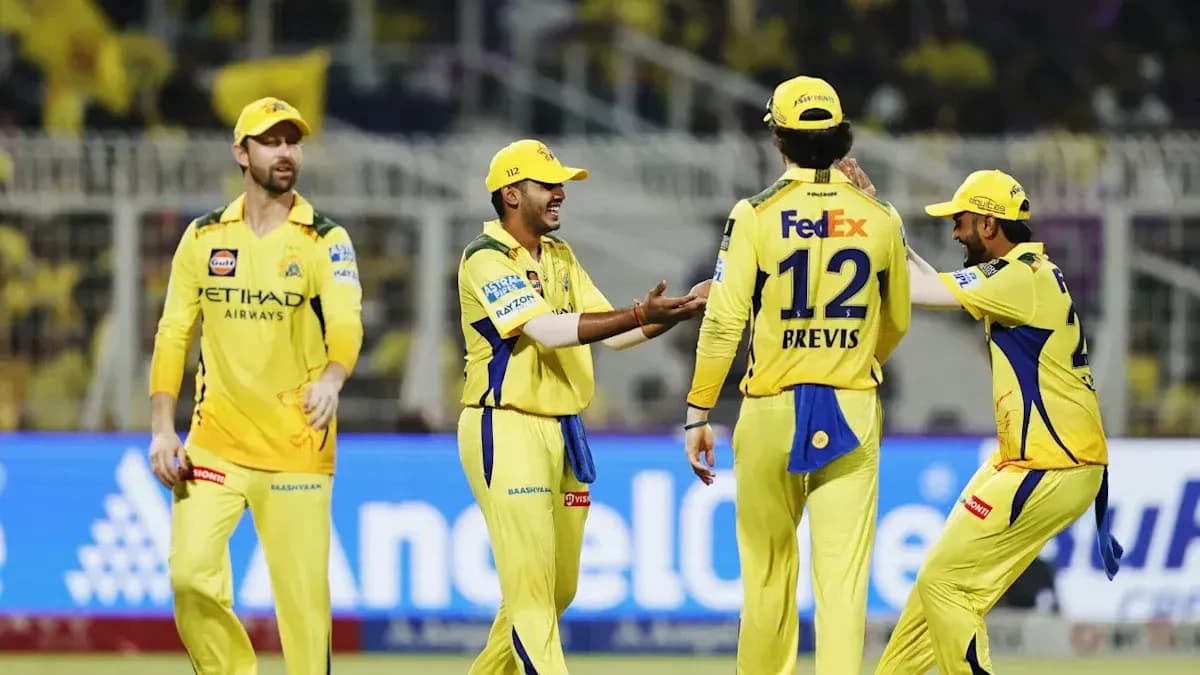
He met Stokes during Durham’s draw with Worcestershire, a reunion of sorts after their time together at Chennai Super Kings in the IPL. He found a man at peace.
“He was in a great space, really happy, enjoying his time with Durham,” Fleming said. “He’s got a good winter planned with the family and is very much at peace with his decision.”
The temptation to coax him back? Fleming shut that door.
“When a player makes that decision to retire, I respect that decision 100%,” he said. “To try to turn that around and question that is wrong. I know how much goes into that type of decision, and I respect that.”
No late‑night phone calls. No emotional appeals. Just a clear line: if Stokes ever wants back in, it will have to be on his terms, not his coach’s.
A different kind of leader
Fleming has spent the past week on a quiet tour of English cricket, visiting counties and watching England beat Sri Lanka in the third T20 at Old Trafford. He has been on the phone so much, he joked, that he has a “stress fracture of the left ear”.
There were glimpses of the lighter touch he brings. He laughed about occasionally turning up in fancy dress to ease tension in the Chennai Super Kings environment. He dismissed the idea of “Flemball” – the inevitable attempt to brand his era – as “a medical condition”.
But underneath the humour was a coach who sounded composed, detailed and in control.
Observers present described him as calm, measured, authoritative. After the freewheeling chaos of the past 18 months, England suddenly look like a team with a grown‑up at the wheel.
He spoke of giving the World Test Championship the respect it has not always received from England teams. He explained that he missed the Pakistan series because of family and commercial commitments, not lack of interest. He talked about planning, discipline, structure.
This is not a man chasing headlines. He is chasing wins.
Ashes on the horizon
For all the talk of discipline and structure, the emotional core of Fleming’s appointment sits in one place: the Ashes.
New Zealand’s “little cousin” complex towards Australia has shaped him. He never beat them in a Test. Now, he is being asked to help England do what they have not managed since 2015: win an Ashes series.
Next summer, in English conditions, against an Australian side that thrashed them 4-1 last winter, the obsession he freely admits to will be tested in full view of the cricketing world.
“I want to be my best self and have a team that represents itself in the best possible way,” he said. “I’ve got a vision of that and it’s aspirational. It will be brilliant.”
First comes South Africa in December, the real beginning of the Fleming era. Then the World Test Championship push. Then Australia.
England have traded long‑odds gambles for the man who bets on the favourite. Soon enough, we’ll find out if that’s the wager that finally brings the urn back.