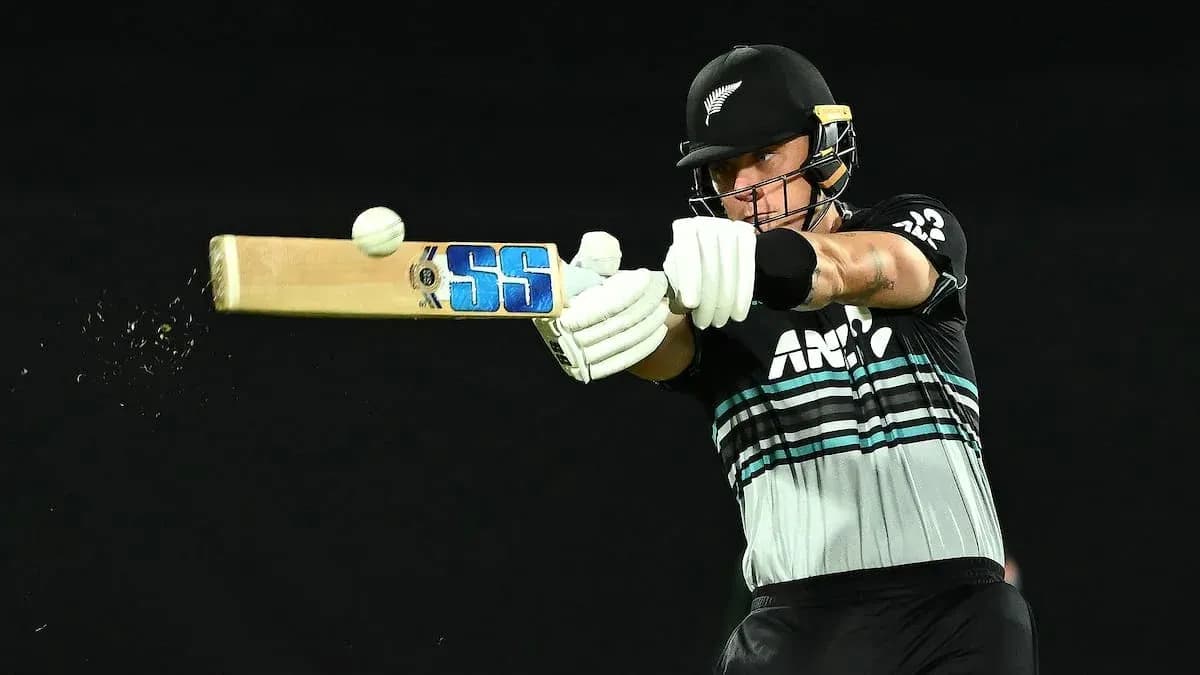
In Windhoek, the desert smells faintly of lavender.
Walk the outer edge of the Namibia Cricket Ground and the usual concrete-and-wire perimeter gives way to something softer, unexpected. Lavender bushes line the walls, brushing against a sport that usually tolerates only one kind of green. In a hard country, on a hard continent, it’s an oddly gentle touch.
The ground itself is ready for anything but gentle.
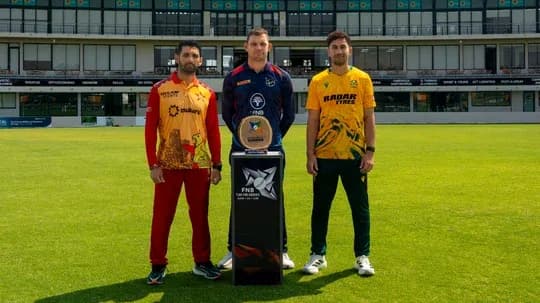
From Friday until September 6, Namibia, South Africa and Zimbabwe will cram a T20I tri-series into Windhoek’s new showpiece. It’s not the first international cricket the venue has seen — far from it. Since March last year it has already staged 17 men’s white-ball internationals, as many women’s T20Is and eight men’s under-19 ODIs. But this is different. This is the biggest examination yet of a ground that has grown quickly from curiosity to contender.
For the first time, two ICC Full Member sides will share the stage here. One of them already knows the dangers of underestimating the hosts.
The Eagles who clipped the Proteas
South Africa came to Windhoek last October, expecting a useful hit-out and a routine win. They left with a bruise that still throbs whenever the fixture is mentioned.
On that night, Namibia didn’t sneak past their neighbours. They beat them. Properly. A last-ball, four-wicket victory in their very first meeting with South Africa in any format. No fluke, no rain, no excuses. Just an associate side seizing the chance that the T20 format offers and refusing to let go.
No South African who watched it thought Namibia were fortunate. Bjorn Fortuin, who played that game and now captains an experimental South African side here, admitted as much again at Thursday’s captains’ press conference: they were outplayed.
Gerhard Erasmus, Namibia’s captain and heartbeat, has long argued that T20 is the great leveller. “How do you bridge the gap to the next level? By beating teams at the next level,” he said. In this format, two players catching fire can drag an underdog past a heavyweight. Namibia have already proved the theory.
A thirsty, fiery little tournament
If ever a series deserved a tongue-in-cheek title, this one does. With Namibians, South Africans and Zimbabweans in town, beer will flow as freely as runs. “The Thirsty Cup” would not be an inaccurate rebrand.
Over the next 10 days, more than a few cases will be emptied under the Windhoek sun. But this is not English cricket’s off-field soap opera. No-one here is expected to end the night in handcuffs outside a bar, as Brydon Carse did in Derby at the weekend — the latest entry on England’s growing list of late-night embarrassments.
Asked on BBC Radio 4 if England have a drinking problem, former captain David Gower’s response cut cleanly: the team doesn’t, “the odd individual does,” and “it’s largely a stupidity problem.” Southern Africa’s cricketers have their fun, but they tend to go home unarrested and in one piece.
They also tend to play their cricket with an edge.
The schedule is unforgiving. Only three days without matches, and each team will be asked at some point to go back-to-back on consecutive days. The intensity might do more than test fitness; it could crystallise a distinct southern African style in front of a global audience: bristling pace, dagger-sharp fielding, flinty batting and a deep, stubborn refusal to accept what looks like defeat.
A ground that makes bowlers believe
The numbers at the NCG suggest the batters won’t have everything their own way.
In 13 men’s T20Is here, only three totals have breached 200. There have been just two centuries and eight fifties. Bowlers, though, have had plenty to smile about: six four-wicket hauls, four of them by seamers, hint at a surface that rewards skill and nerve.
With sunshine forecast and temperatures in the mid to upper 20s Celsius, conditions should be ideal. Start times are set for 2pm local — and the same in South Africa and Zimbabwe — with 5.30pm evenings for those watching from India.
On this stage, with these stakes, 170 might feel like 200. And 200 will feel like a statement.
Namibia: Eagles with experience and a familiar face
Namibia enter with something close to a full-strength side and the confidence of a team that has already bloodied a bigger nose.
There’s a notable addition in the dugout: Justin Kemp, the former South Africa allrounder, joins as assistant coach. On the field, Michael van Lingen has come out of retirement, having last played T20I cricket at the 2024 World Cup. His return adds depth to a side that already knows how to scrap.
A likely XI reads: Jan-Nicol Loftie-Eaton, Junior Taanyanda, Gerhard Erasmus (capt), Alex Busing-Volschenk, Zane Green, JC Balt, Jan Frylinck, Max Heingo, Bernard Scholtz, Waldo Smith, Jack Brassell.
This is a group built on continuity, not experimentation. They know the ground. They know the wind. They know what it takes to knock over a Full Member here.
South Africa: talent on trial, scars acknowledged
South Africa have chosen risk.
They arrive with an experimental squad, a mix of fresh faces and fringe players, and without Jason Smith, ruled out by an inner thigh strain. Eathan Bosch has yet to play T20I cricket. Duan Jansen has yet to play for his country in any format.
Fortuin, now captain, didn’t sugar-coat last year’s defeat: “It wasn’t a fun experience… The reality was we got beaten by the better team on the day.” He insists there are no scars, no hidden trauma. But memory can be a powerful motivator, especially for those who were there.
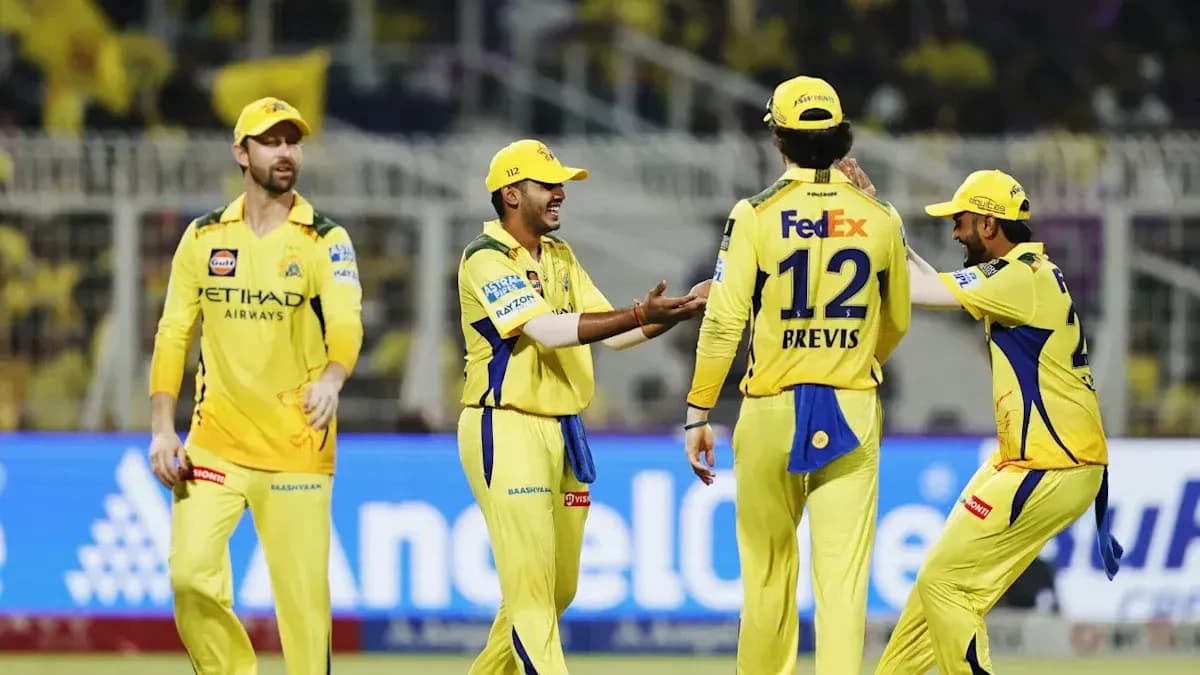
Their possible XI: Tony de Zorzi, Lhuan-dré Pretorius, Connor Esterhuizen, Dewald Brevis, Rubin Hermann, Prenelan Subrayen, Duan Jansen, Bjorn Fortuin (capt), Kwena Maphaka, Lutho Sipamla, Nqobani Mokoena.
Look down that list and you see what this is: an audition. Brevis’s star power, De Zorzi’s class, the raw pace of Maphaka, the height and hostility of Jansen. It’s a group that could either catch fire or get exposed under pressure from opponents who have far more to lose.
No-one here would begrudge a non-South African winner. Least of all those who remember that last-ball finish.
Zimbabwe: experience back, firepower missing
Zimbabwe arrive with their own blend of good news and concern.
Graeme Cremer returns after more than 17 months out with an arm injury, a significant boost in experience and guile. But Richard Ngarava, their left-arm spearhead, misses out with a lower back problem, and Brendon Taylor has been dropped. The attack loses bite even as it regains craft.
Their likely XI: Brian Bennett, Ben Curran, Dion Myers, Sikandar Raza (capt), Wessly Madhevere, Tadiwanashe Marumani, Brad Evans, Newman Nyamhuri, Graeme Cremer, Wellington Masakadza, Blessing Muzarabani.
Raza remains the axis around which Zimbabwe’s cricket spins. His ability to boss a game with bat or ball makes him the most seasoned match-winner in the series. Around him, though, lie questions: can the young batters handle the tempo? Can Muzarabani and Evans cover the Ngarava-shaped hole?
A region, a format, a chance
Strip away the lavender and the romance and this is what remains: a short, sharp tri-series in a format that refuses to respect reputations.
Namibia know they can beat South Africa here. Zimbabwe know they must reassert themselves as the region’s senior scrappers. South Africa know that “development tour” is just a polite phrase; lose too often and the label turns into a stick.
T20 gives the smaller side a puncher’s chance. Erasmus has said it plainly: the way to bridge the gap is to beat those above you. He already has one such win in his pocket. He wants more.
The schedule is tight. The margins will be thinner. The air will be dry, the stands noisy, the beer cold.
And somewhere beyond the boundary rope, the lavender will sway in the Windhoek breeze while three nations find out whose way of cricket truly belongs on this new southern African stage.