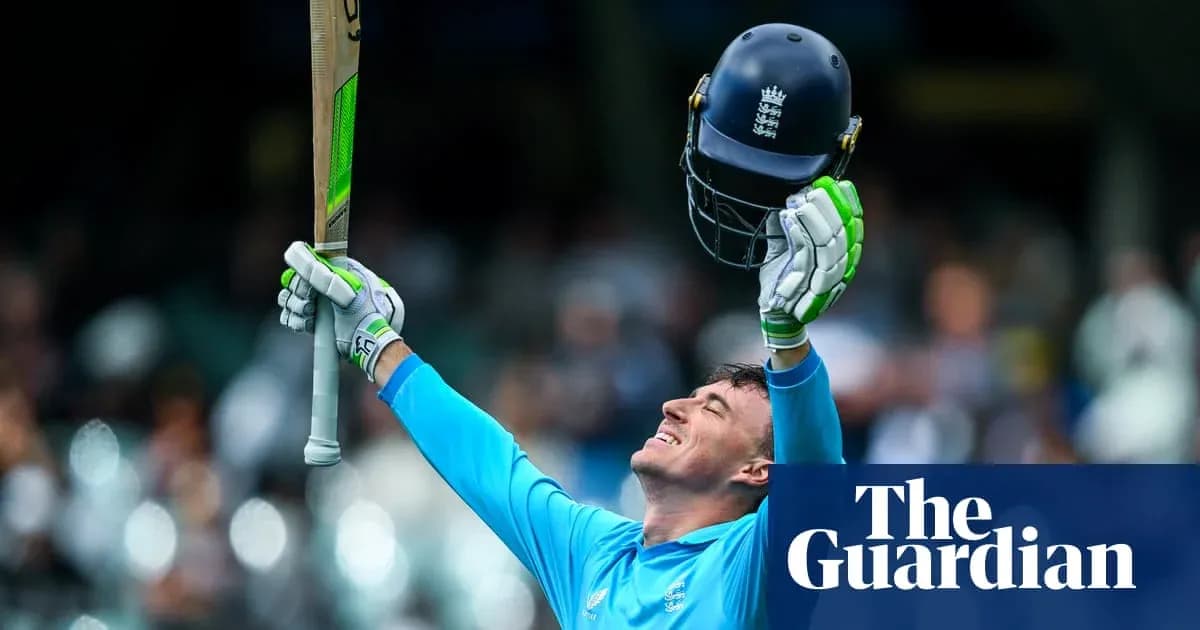
Will Young didn’t just make a century. He watched a storm from the best seat in the house.
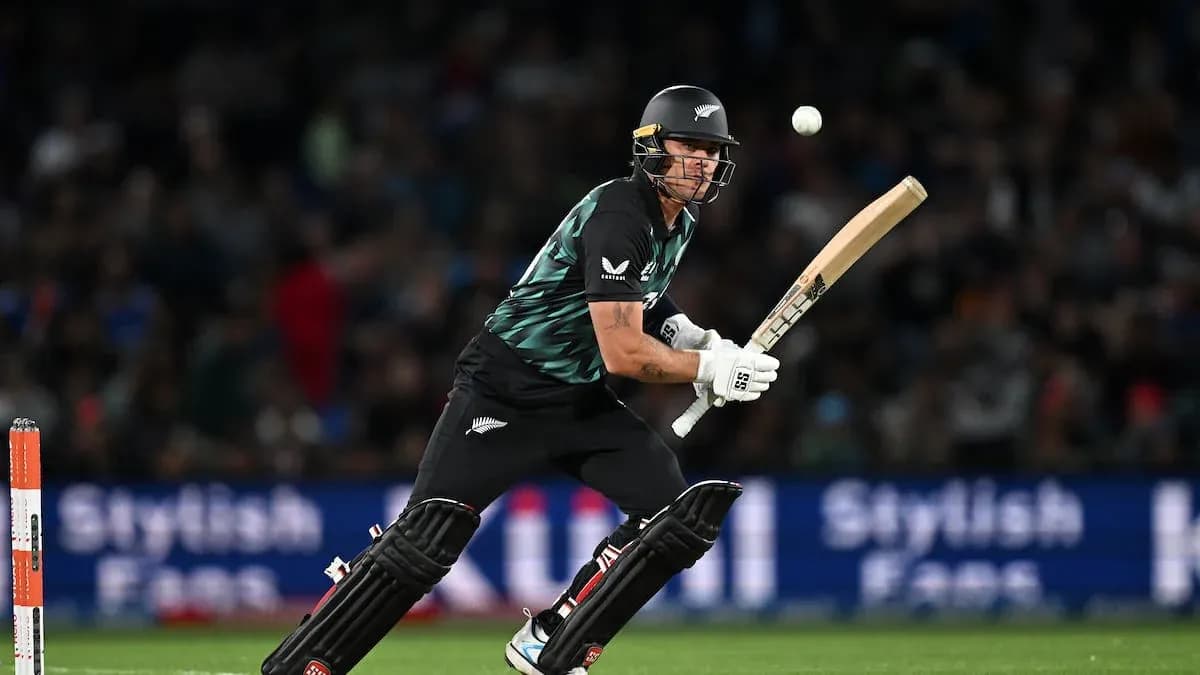
Out in the middle, Young stitched together his fifth ODI hundred while Tim Seifert and Finn Allen tore into the bowling around him. With Seifert, he added 85 from 73 balls. With Allen, 90 from 66. Two stands, two very different hitters, one clear message: New Zealand’s 50-over batting is no longer a one-note tune.
Young has heard the lazy labels before. Seifert and Allen as sloggers. T20 crash merchants. Fine for a hit-and-giggle, too wild for the longer white-ball format. He’s not buying it.
“It’s brilliant having Tim and Finn in the ODI set-up,” Young said. “You can see the enjoyment and the energy they both bring to the group. It certainly rubbed off on me yesterday. They showed the power that they’ve got, but both of them are better than ‘crash, bash’ players.”
That was the difference. Not just the sixes, but the thinking. Both men read the pitch, picked their moments, and turned what could have been cameos into proper partnerships. Young saw them adapt, slow down when needed, then go again.
“They showed that yesterday, they adapted to what was in front of them, built some meaningful partnerships, and it contributed to the win. It’s an exciting time having Tim and Finn in the team.”
For Allen especially, this return to 50-over cricket feels like a calculated gamble that might yet look inspired.
His talent has never been the issue. Since his international debut in 2021, Allen has been the sort of player who can rip a game apart before the opposition has even settled. Earlier this year he smashed a 33-ball century against South Africa, dragging New Zealand into the T20 World Cup final in India and, in the process, turning himself into the most expensive signing in Big Bash League history.
That kind of innings makes headlines. It also creates a problem.
Allen’s method is high risk by design. The strike-rate dazzles, the average doesn’t. Critics line up with spreadsheets in hand, pointing to a record that doesn’t leap off the page. They question whether that volatility belongs in a format built on accumulation and control.
But cricket is not a spreadsheet sport. Not really.
Take Sydney, 2022. New Zealand’s first game of the T20 World Cup, against hosts Australia at a packed stadium. Allen walked out and detonated the home attack with a 16-ball 42, peppered with five fours and three sixes. No fifty to his name that night, no neat statistical landmark. Just an innings that broke Australia’s tournament before it had started. New Zealand won by 89 runs; Australia’s title defence never recovered.
That is the Allen equation. He might not bat long. He might not always pass 50. But when he does connect, he can tilt an entire campaign.
Now he’s doing it from No 5 in a depleted ODI line-up, an unusual role for such an instinctive aggressor. Inside the New Zealand camp, though, there’s no confusion about what he offers or what he might yet become over the next year.
“There’s no doubt, he’s got such a high ceiling,” said Matt Henry. “He’s been such a good cricketer. It’s a good place for us to be in, we’ve got guys getting experience in different positions – it’s great for him. He’s hitting the ball cleanly as well, it’s exciting.”
Exciting, yes. Secure, no.
Fifteen World Cup spots are on the table for South Africa, Zimbabwe and Namibia next October, and neither Seifert nor Allen can book their flights just yet.
Seifert’s path is brutally congested. At the top of the order he runs straight into Rachin Ravindra, Devon Conway and Young himself – players who have turned ODI consistency into a habit. Allen’s challenge is just as sharp. No 5 has long been Tom Latham’s territory, and the wicketkeeper’s experience and calm under pressure are hard to dislodge.
There is also a vacancy higher up. Kane Williamson’s retirement has left a hole at No 3, the most precious real estate in New Zealand’s batting order. Either Seifert or Allen could be pushed into that slot if the selectors decide they want firepower and intent where Williamson once supplied control and class.
The temptation is obvious. So is the risk.
In this era, T20 fireworks grab the highlights, the clips, the contracts. ODI specialists rarely trend. Yet for Young, now a central pillar of the 50-over side, the noise around selection and star power doesn’t cloud the bigger picture.
“The best thing about this team is it’s all about contributing to team success, rather than looking over your shoulder to see who else is doing well,” he said.
He knows what’s coming. A tight run of series before the World Cup, every innings doubling as both opportunity and audition. One failure might not end a dream, but a hot streak could define a career.
“But it is an important series, and there’s a couple more as well leading up to the World Cup to try and stake your claim – but the most important thing is being a good team man and trying to contribute in different ways towards the team success that’ll get you on that plane.”
For Seifert and Allen, that’s the challenge now. Not just to thrill, but to convince. To show that behind the noise and the power, there’s a World Cup batter waiting to be trusted when everything is on the line.