Pakistan’s week at Lord’s ended with a series defeat. The real drama began after the final wicket fell.
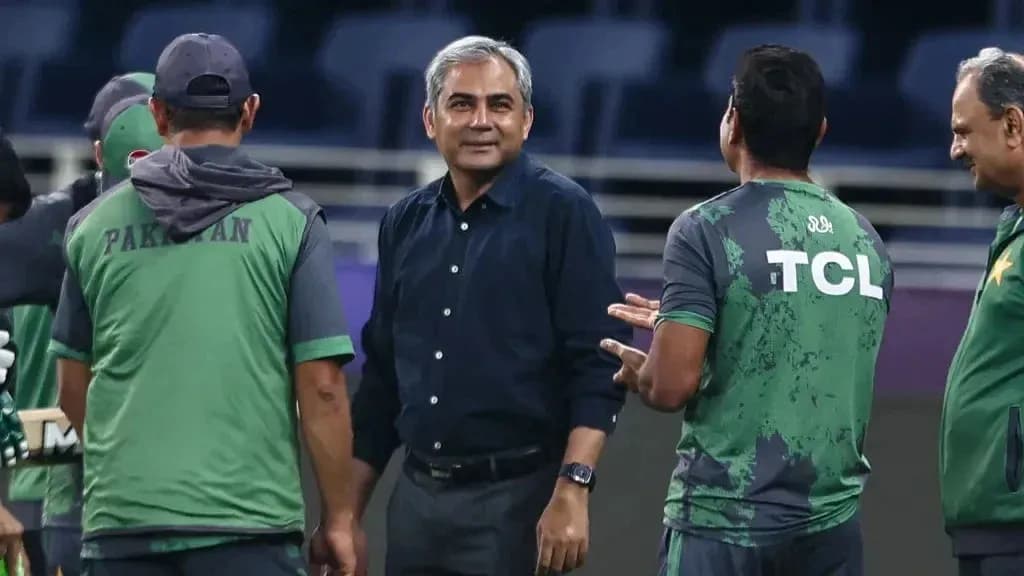
In the space of one announcement, the Pakistan Cricket Board sent home seven players, removed head coach Sarfaraz Ahmed, dismissed bowling coach Umar Gul and parachuted in five uncapped players for a dead-rubber third Test at Edgbaston. It was sweeping, brutal and, to many, baffling.
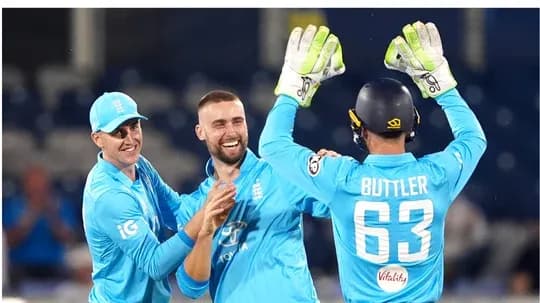
Among the most vocal critics was British-Pakistani broadcaster Aatif Nawaz, who used the For The Love Of Cricket podcast, alongside Stuart Broad and Jos Buttler, to question what exactly the PCB thought it was fixing.
Batting in ruins, bowlers doing their job
Nawaz did not pretend Pakistan’s batting had a case for mercy. Across four innings in the series, they never once reached 200. That, he accepted, was “unacceptable”.
But he drew a hard line between the failures with the bat and the effort with the ball. For him, lumping everyone into the same punishment made no cricketing sense.
“Get rid of your head coach, get rid of your bowling coach. What’s the bowling coach done? His bowlers took enough. They took all the wickets,” Nawaz said. “At least the bowlers at Lord’s got the wickets. It just seemed like the kind of move you do when you’re trying to placate the angry voices in your country.”
The numbers back up his frustration. At Lord’s, Mohammad Abbas took nine wickets and wrote his name onto the honours board. Pakistan’s attack repeatedly dragged the side back into the contest while the batting folded around them. Days later, the man overseeing that attack was out of a job.
The message? Even when you deliver, you’re not safe.
A familiar Pakistani chaos
For Nawaz, this wasn’t just about one Test or one tour. It was about a culture.
He painted a picture of a system so unstable that even seasoned followers struggle to keep up with who is in charge of what.
“It’s very hard to keep track of who’s the batting coach, who’s the bowling coach, who’s your chief selector, who’s your captain, who’s your vice captain,” he said. “He could be captain one game and then the 12th man the next, as Salman Agha found out in this test series.”
That Salman Agha example cuts to the heart of the criticism: roles change overnight, status evaporates in a week, and selection feels reactive rather than planned. The Lord’s cull looked, to Nawaz, like another chapter in a long-running pattern of volatility.
He did acknowledge the only real defence of the PCB’s thinking. With the series already lost and the third Test a dead rubber, there is a temptation to rip things up and “try something drastically different” rather than run the same XI into another defeat. That, he conceded, is the charitable reading.
But he clearly didn’t buy it as a serious strategy.
The cost for Pakistan’s red-ball future
Nawaz’s sharpest concern lay beyond Edgbaston. He worried about what this kind of upheaval tells the next generation of Pakistan cricketers weighing up where to focus their careers.
“What kind of message are you sending to the next generation of Pakistan cricket players who want to play red-ball cricket for Pakistan? Why would they want to do that?” he asked.
It is not a hypothetical fear. Pakistan already loses players to the franchise circuit. T20 leagues offer money, stability and clear contracts. Test cricket, by contrast, demands time and sacrifice and, as this episode underlines, offers little security.
If seven players and two coaches can be discarded in one sweep after a single bad week, what incentive is there for a young quick or a promising batter to commit themselves to the grind of red-ball cricket? Why risk being the next name on the chopping block when one poor series can undo years of work?
Nawaz believes that without a sense of protection and patience around the Test side, players will naturally gravitate towards white-ball formats. The PCB may not intend to push them that way, but its actions are doing the talking.
Punishing the one department that worked
The detail that lingers is the bowling.
At Lord’s, the attack did what was asked of it. Abbas, in particular, delivered a performance worthy of that famous honours board. Pakistan’s bowlers kept prising out wickets, kept the game alive, kept offering their batters another chance.
Yet the bowling coach paid with his job.
Whatever the scale of the batting collapse, punishing the unit that functioned best smacks less of analysis and more of appeasement. It looks like a board responding to fury at home, not to the realities on the field.
In that sense, Nawaz’s question hangs in the air, unanswered and uncomfortably pointed: if even your successful departments are expendable after one bad week, what kind of Test team are you trying to build at all?