MOUNT MAUNGANUI: On a windy New Zealand evening, with India clinging to a modest total and a series still on the line, Arshdeep Singh walked away with more than just a Player of the Match medal.
He walked away with a story.
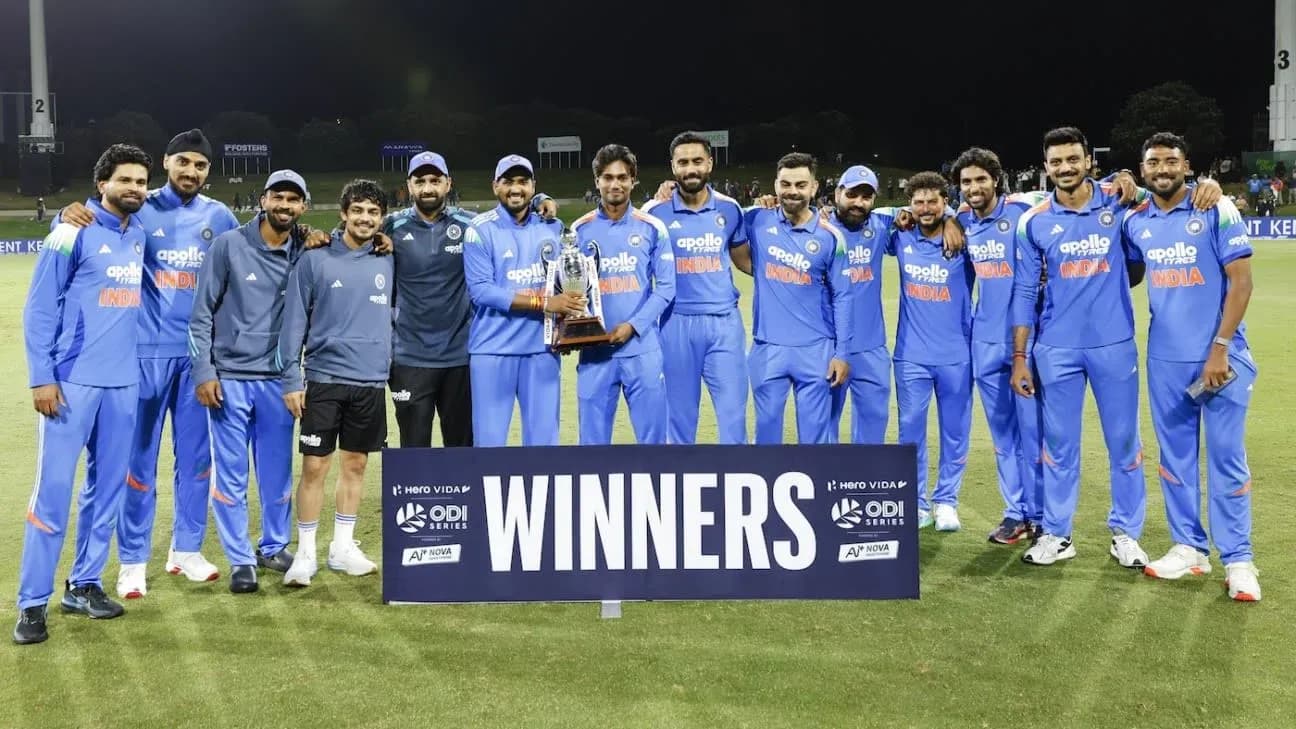
A 22-run win over New Zealand in the fifth ODI, a 3-1 series triumph, figures of 3 for 30 – all of that would have been enough. But for the left-arm quick, this ground, this town, now carries something deeper. A few hours earlier, on the same Mount Maunganui beach that framed India’s comeback, he had asked his partner to marry him.
“I've got a really nice partner. She's very supportive and always helps me stay in the right mindset,” Arshdeep said, still riding the high of a day that seemed scripted. “So yes, a lot of credit goes to her as well, the way I am on the field depends a lot on how I'm working off the field. So yes, it's been very exciting and I'm loving it.”
He admitted the proposal came with its own nerves, different from the ones at the top of his run-up.
“Can't ask for a better view to do that. I was pretty tense but yes, the view helped and it feels pretty nice,” he smiled.
From No. 11 to game-changer
Long before he took the ball, Arshdeep had already altered the shape of the contest with the bat. India, sent in and rattled early by Matthew Fisher, were in a tangle. Rohit Sharma and Virat Kohli were back in the pavilion quickly, and 209 all out felt light, even on a surface that always had the bowlers interested.
Axar Patel and Ishan Kishan fought to restore order with 46 each, Naman Dhir chipped in with 22, but the innings kept stalling. The tail had to scrap. It did.
At No. 11, Arshdeep refused to play the walking wicket. He and Mohammed Siraj squeezed out crucial runs, dragging India past 200 – a psychological line as much as a numerical one.
“Yes, that's the chat when we ended the batting as well,” Arshdeep explained. “Siraj told me that these runs will be very crucial. And we made sure we went above 200 and that was a little thought in mind: we had crossed a small milestone there and had some runs to bowl at.”
He laughed at his own ambitions with the bat.
“I love my batting. Even if I'm batting at eleven, I enjoy it. And always trying to create room for myself and smash it. But some people on my team say that I'm scared of the ball. But I take it. I create room.”
It sounded light-hearted. Out in the middle, it was anything but. Those scrappy, awkward, tailender runs changed the mood in the Indian dressing room. They would look far bigger a couple of hours later.
The collapse that flipped the series finale
New Zealand’s reply began with a sense of control. At 64 for 1, chasing 210, the hosts were cruising towards a consolation win. The ball softened, the field spread, and the crowd settled in.
Then India’s seamers dug in.
The pressure finally told. Lines tightened, lengths shortened, and the chase jammed. What had looked like a comfortable trot turned into a crawl, then a slide.
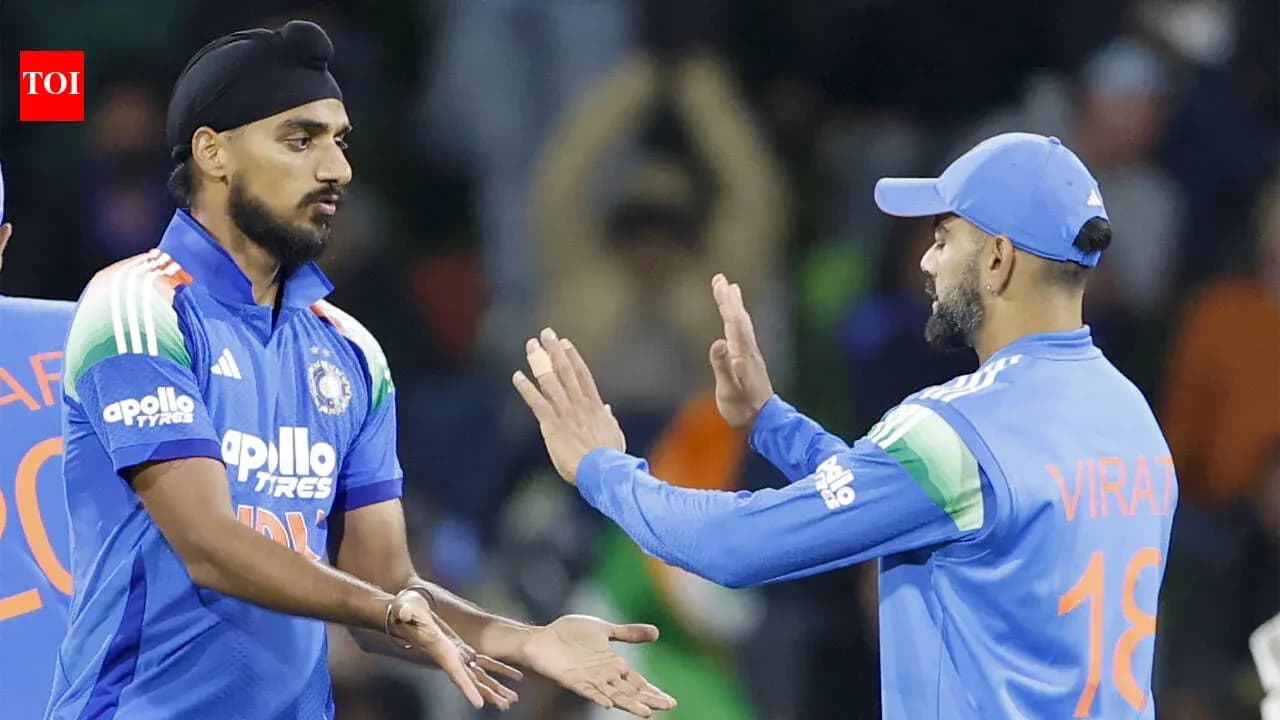
Arshdeep led the charge with the ball, bending it, hitting the deck, and refusing to give away easy scoring options. He ended with 3 for 30, the pick of the attack, and the bowler New Zealand never quite got away from.
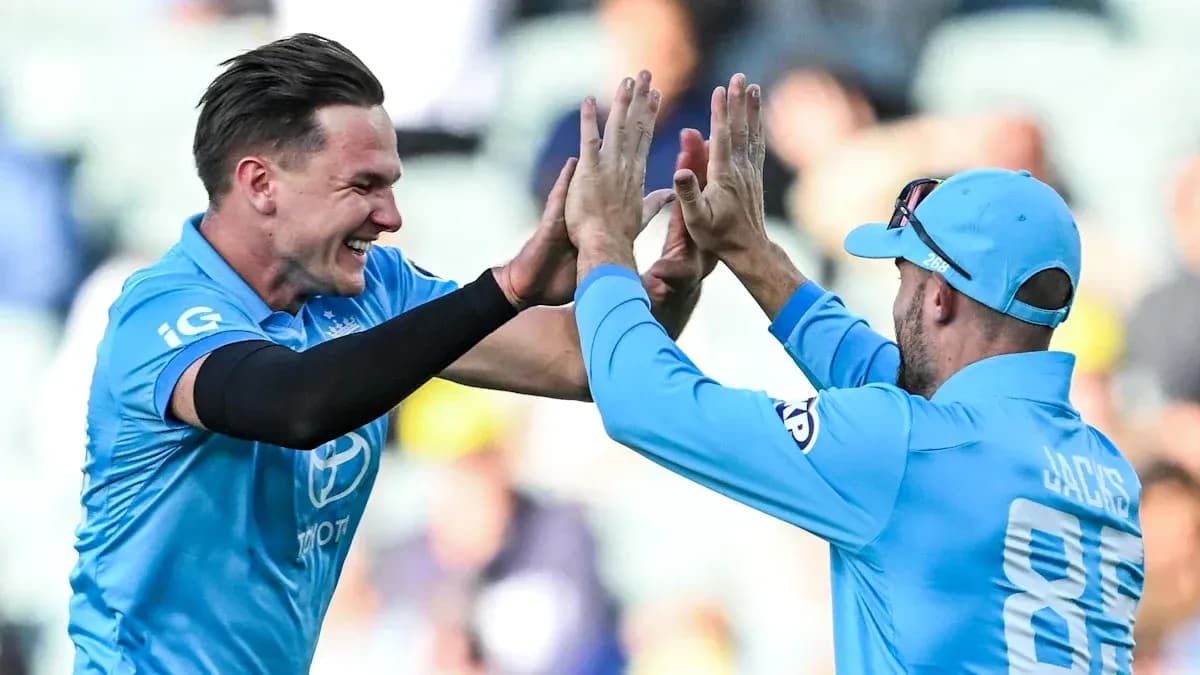
Around him, the rest of the unit snapped into rhythm. Yash Thakur claimed his maiden ODI wicket, a small personal landmark on a night of collective resolve. Siraj and Axar chipped in with two wickets each, choking the middle overs and forcing mistakes.
From 64 for 1, New Zealand unravelled. Five wickets fell for just 55 runs. The chase, once measured and assured, turned frantic. By the time the hosts were bowled out for 187 in 48.1 overs, the game had swung so decisively that 209 suddenly looked like a par score, even a winning one.
Arshdeep summed up the bowling effort in simple terms.
“I feel like we kept coming and we were very disciplined with our areas and we didn't let go of that thing even when we were not getting the results, we were not getting the wickets. But we kept bowling that and eventually got the results and yes, we won.”
It was the kind of sentence every bowling coach wants to hear: discipline, repetition, belief.
A series sealed, and a new chapter begun
This was not a flawless Indian batting performance. Far from it. Fisher’s early strikes exposed the top order, and the middle had to graft for every run. Axar and Kishan’s twin 46s gave the innings spine, Dhir’s 22 added substance, but 209 felt undercooked for a large part of the afternoon.
The bowlers changed that narrative.
They turned a fragile total into a statement win, stitched together by Arshdeep’s control, Siraj’s relentlessness, Axar’s accuracy, and Thakur’s breakthrough. The 3-1 series result will sit well in the record books. The manner of this final victory will sit even better in the team’s memory.
For Arshdeep, Mount Maunganui now carries a double imprint: a beach where he was “pretty tense” for all the right reasons, and a ground where he owned the night with bat, ball, and a medal around his neck.
The ODIs are done. Next comes the harder examination: a two-Test series starting November 19. Different format, different rhythms, same question for India’s seamers – can they keep “coming,” as Arshdeep put it, when the spells get longer and the margins get thinner?