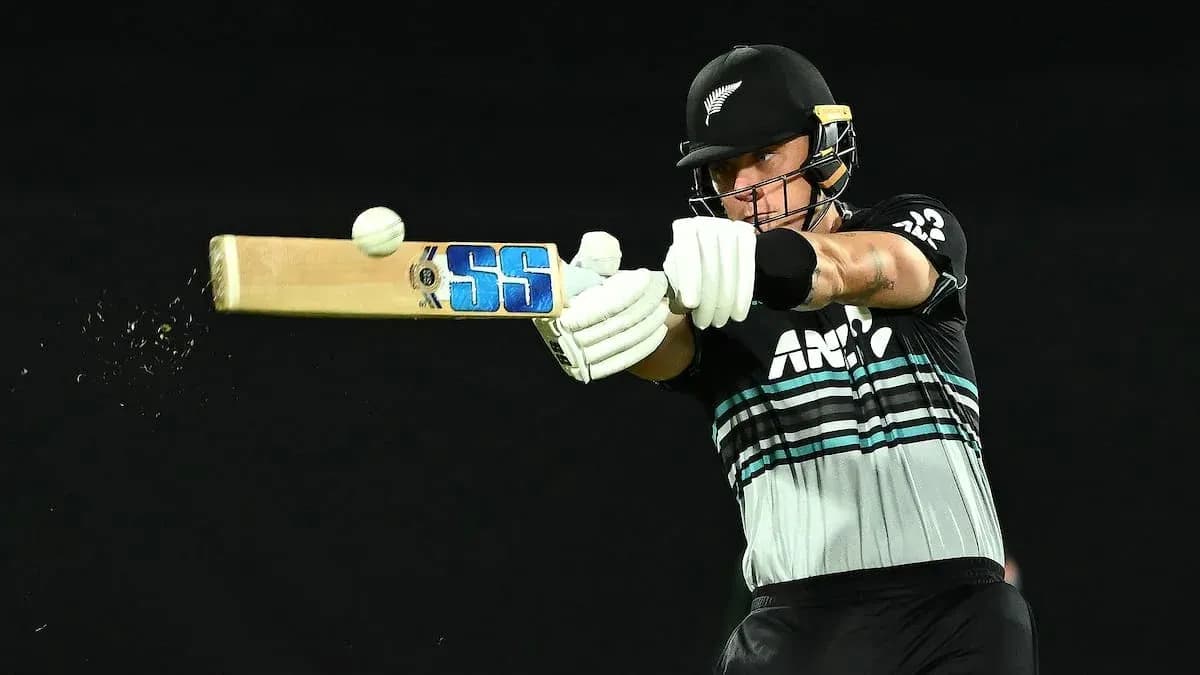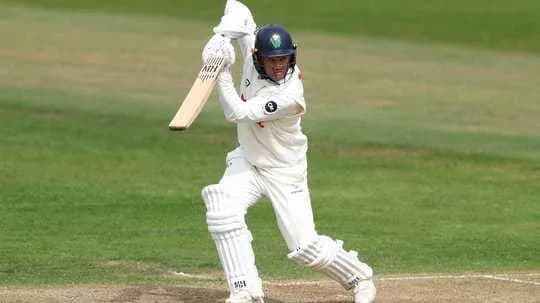
Colin Ingram, the elegant left-hander who slipped quietly out of South Africa’s international plans more than a decade ago but built a formidable second life in county and T20 cricket, has finally called time on his playing career.
Thirteen years after his last game for South Africa, the 41-year-old has put down the bat and picked up the coaching clipboard.
From Free State rookie to Glamorgan pillar
Ingram’s journey began in 2004 as a Free State rookie. It ended in Wales, where he leaves as a Glamorgan stalwart and, in many ways, a symbol of the club’s modern era.
He spent 11 years at Glamorgan, a stretch that turned into a genuine cricketing home. The county confirmed that the left-hander will now move straight into an internal coaching role, a seamless transition for a player who has long been seen as a senior voice in the dressing room.
He did not bow out quietly either. In 12 first-class matches this season, Ingram piled up 628 runs at 31.40, including two centuries. Those runs pushed his final first-class tally to 10,683 from 159 matches in a career that spanned 22 years.
“My art is complete,” he wrote on social media, a line that felt more like a curtain call than a retirement cliché. He added that he hopes to “influence the game positively and inspire players to be the best they can while enjoying their journeys.”
A South Africa career that flashed, then faded
Internationally, Ingram’s story is one of a blazing start and a frustrating fade.
He arrived in ODI cricket with a statement. A century on debut against Zimbabwe in 2010, then another hundred against Pakistan two games later. For a moment, South Africa looked to have found a long-term top-order rock.
The competition for places bit hard. Over the next three years, inconsistency and a crowded batting line-up squeezed him out. He still carved out one more high point: a third ODI ton, again against Pakistan in 2013. But by the end of that year, his international career was unravelling, with three ducks in his last four innings. His final ODI came with the sense of a door quietly closing.
His T20I career was even shorter, but not without drama. In a one-off T20I against India in 2012, he hammered 78, yet that innings turned out to be his last in the format. Nine T20Is, flashes of quality, and then nothing. As his T20 reputation grew around the world, the South Africa call never returned.
Reinvention in the franchise world
If the national cap slipped away, the white-ball circuit embraced him.
Ingram initially signed for Glamorgan as a Kolpak player in 2015, a move that anchored his county career. When regulations changed, he shifted onto an overseas contract and simply kept scoring.
His T20 numbers and presence made him a familiar face in leagues around the globe. He played 15 IPL matches across two seasons for Delhi Capitals, and became a regular and respected performer in tournaments like the T20 Blast, PSL and BBL, with a later taste of the SA20. He was the archetype of the modern T20 pro: experienced, adaptable, and dangerous when set.
The venues changed, the shirts changed, but the role rarely did. Ingram walked in, absorbed pressure, and gave his team a chance.
Stepping off the field, staying in the game
Across his farewell message, there was no sense of regret, only closure.
“Throughout my career I’ve dreamed big, worked hard, made memories, laughed and cried, seen things and places I never thought possible and met so many wonderful people along the way. I’ve had a full crack and left it all out there,” he wrote.
Glamorgan echoed that sentiment, quoting him as he looked ahead rather than back: “While it’s the right time for me to step away from playing, I’m excited to continue contributing to the Club in a new way and help develop the players who will carry Glamorgan forward.”
The player who once chased a permanent place in South Africa’s top order now turns to shaping others’ careers instead. His own arc is complete. The next one he draws will belong to the batters he coaches.