Cricket Australia has effectively admitted the game’s most infamous modern scandal is destined to remain unresolved, accepting there is little hope of ever landing on a shared truth about the 2018 sandpaper affair in South Africa.
The fault lines inside that touring party widened again on Sunday.
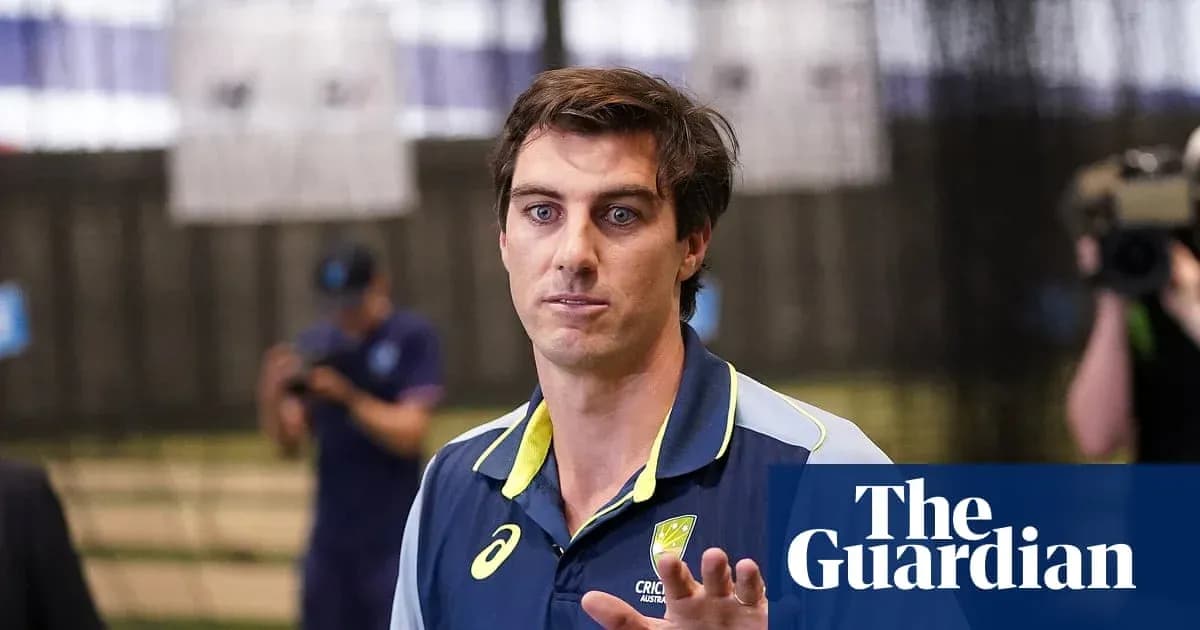
Chadd Sayers, the swing bowler who played his only Test on that tour, backed Usman Khawaja’s explosive claim that the whole team knew about the ball-tampering plot – and directly contradicted captain Pat Cummins’ version of events.
“I’m comfortable sitting here … that I believe that everyone in that side knew what was going on and what was being used,” Sayers told SEN radio. He stressed he was “neutral” and “not taking sides”, but his account placed him firmly in Khawaja’s camp on the central question: who knew what, and when?
Cricket Australia, watching old wounds reopen in public, responded with a carefully weighted statement that underlined just how far apart the key figures remain.
“We respect the right of those in South Africa in 2018 to share their version of what they believe happened on that tour,” a spokesperson said. “The significant differences in the views expressed continues to demonstrate that it is very unlikely an agreed version of events will be reached without relevant material evidence.”
In other words, without something concrete that has never previously surfaced, the game’s governing body no longer expects a single, settled narrative to emerge.
Sayers backs Khawaja, questions Cummins
The scandal has roared back into the spotlight with the release of Khawaja’s autobiography, in which he alleges the entire Australian team had knowledge of the sandpaper plan and claims ball-tampering tactics had been used before.
Cummins hit back on Friday, calling those claims “complete nonsense” and again denying any knowledge of the plot before Cameron Bancroft was caught on camera in Cape Town.
Sayers watched that press conference and bristled.
“It felt a bit awkward,” he said. “I didn’t like how he [Cummins] did go at Usman and got personal. I probably get why but I don’t think it needed to happen.”
The 37-year-old also rejected Cummins’ insistence that there was no team meeting about collective responsibility. Sayers recalled a long, sobering debrief in the Cape Town dressing room after the day’s play.
“We all sat in the change rooms after that day’s play, probably for 60 to 90 minutes, and just talked about what had happened and where to next,” he said. “It was always going to happen with the seriousness of what the allegations were. So it was about what had happened, where we stood with that, and how we were going to move forward.”
For Sayers, speaking now carries its own sense of release.
“It’s been hard. Because you’ve got to tiptoe around it and not be able to tell the truth,” he said. “So it’s a bit of a relief that it’s out.
“That series was supposed to be a happy one for me because I debuted the Test after. But I guess when something like that happens it always gets drawn back to that conversation and not your debut.”
He does not see a clean resolution on the horizon.
“I don’t think it’s ever going to settle unless everyone agrees to what happened,” Sayers said. “So in that sense it’s probably not going to settle.”
Old punishments, fresh anger
The original fallout from Cape Town is etched into Australian cricket’s history. Three players – David Warner, Steve Smith and Bancroft – were banned after Cricket Australia’s investigation, the scandal detonating a golden era and triggering a cultural overhaul.
Eight years on, the anger has not cooled.
Warner, who has long felt he carried a disproportionate share of the blame, fired another broadside at Cricket Australia on Sunday. A day after accusing the organisation of a cover up, he doubled down on social media.
Warner has maintained he was not given all the evidence before accepting his punishment for the use of sandpaper in the third Test.
After media reports confirmed that bowlers had been interviewed by Cricket Australia during its investigation, Warner returned to Instagram to underline the wording of his earlier claim.
“Just to clarify ‘As far as I am aware’ was the POINT,” he wrote. “I was never told the bowlers had been interviewed or provided statements.
“That information would’ve been pretty useful when I was forced to make decisions back in 2018. Why weren’t we given all the evidence by CA?”
It is a pointed question, and one that goes to the heart of why this saga refuses to fade. As long as senior players publicly contradict each other and the governing body concedes it cannot reconcile their stories, the sandpaper Test will keep casting its shadow over Australian cricket’s present as much as its past.