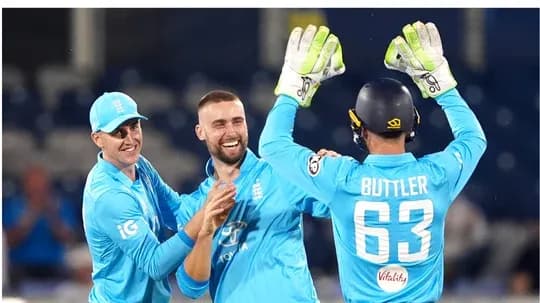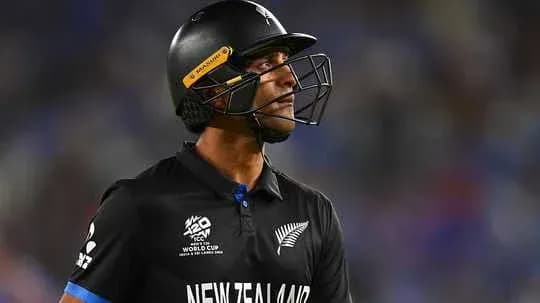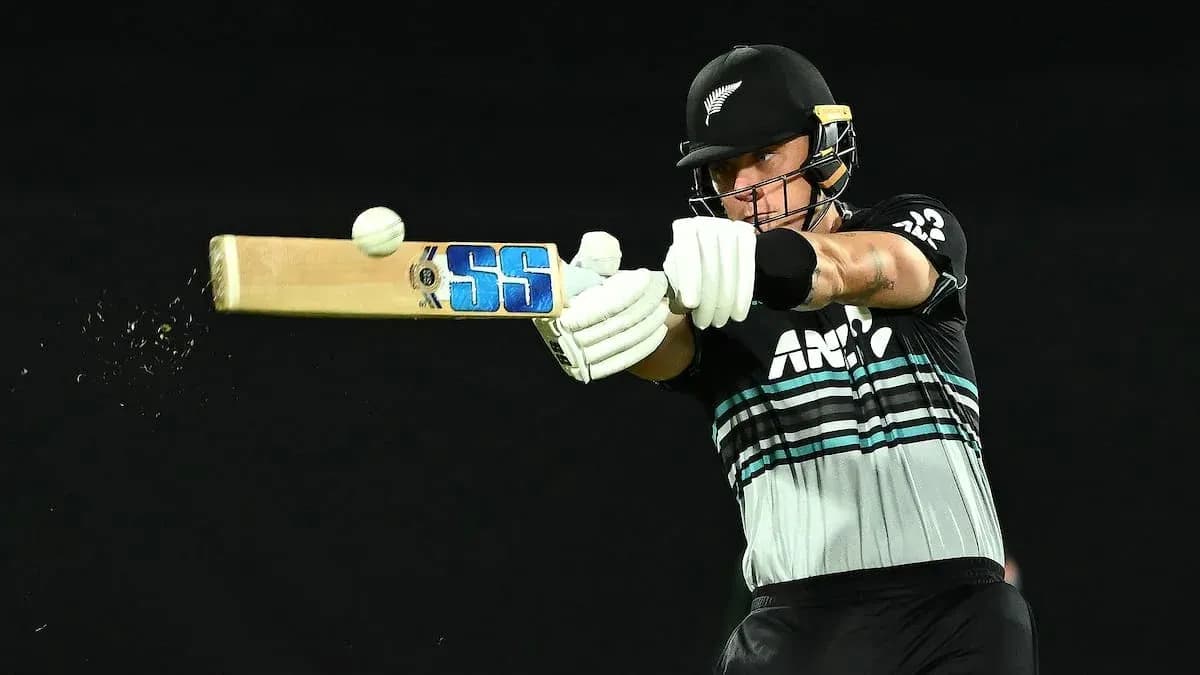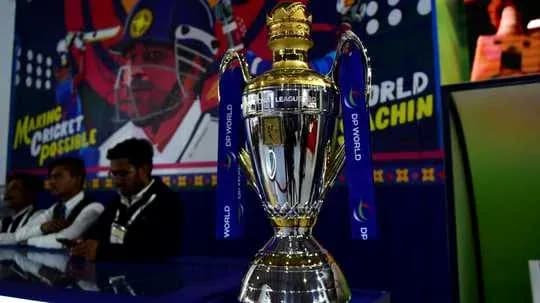
The ILT20 auction is heading back to Dubai, and this time the stakes feel bigger than ever.
Season 5’s player auction will be staged on October 1 at the ICC Academy indoor facility, with more than 800 registrations from 20 countries trimmed down to a shortlist of around 200. The early confusion over the date has been swept aside; the organisers have locked it in. Now the six franchises know exactly when the chequebooks come out.
Big purse, tight framework
Each franchise walks into the room with a fresh auction purse of USD 1,300,000, on top of whatever remains from the USD 700,000 they were allowed for direct signings and retentions. That rollover could prove decisive in late bidding wars.
There is a clear spending lane. By the end of the auction, every team must have committed at least USD 1.5 million and no more than USD 2 million on their squads. That cap does not include a potential Wildcard player, who can be added after the auction and may become a smart late-season trump card.
Squad size is tightly controlled: a minimum of 18 players, a maximum of 23. Inside that, the composition rules will shape strategy as much as the money.
A league built on balance
ILT20 is pushing hard on diversity and structure. Each franchise must sign:
- At least 11 players from ICC Full Member countries
- Of those, at least four must be from Afghanistan
- At least one must be from Ireland
- A minimum of four players from the UAE
- At least one player from Kuwait
- At least one player from Saudi Arabia
- At least one more player from ICC Associate nations, excluding the UAE, Kuwait and Saudi Arabia
Those requirements turn the auction into a puzzle. Miss one category, and a team risks scrambling in the final rounds. Nail it early, and the back end of the auction becomes a hunt for value and depth.
Base prices and the player pool
Registrations ran from July through September 12, and the numbers underline the league’s pull. Over 800 names went in. Only around 200 will walk into the auction spotlight.
Every player comes in with a set base price: USD 10,000 at minimum, with higher brackets at USD 40,000 and USD 80,000. That structure creates clear tiers. The top bracket will house the headline names and established match-winners; the lower bands will be where scouts try to unearth the next breakout story.
Four powerful lifelines: Right to Match
Continuity still matters. To protect their cores, franchises have been handed four Rights to Match (RTMs), each tied to specific categories and only for players who represented them in Season 4.
Each franchise can use:
- One RTM on a Full Member player (including Afghanistan and Ireland) who played for them in Season 4
- One RTM on an Associate Member player who played for them in Season 4
- One RTM on a UAE player who either played for them in Season 4 or was part of their Development Squad in the 2026 ILT20 Development Tournament
- One RTM on a Kuwait or Saudi player who featured for them in Season 4
These are not just safety nets; they are tactical weapons. Let a rival drive the price up, then pull the RTM and reclaim a trusted performer. Used well, they can lock in key roles without early bidding wars. Used poorly, they can vanish in a single emotional call.
Replacements and the long season
Modern leagues live with constant disruption: injuries, late NOCs, international call-ups. ILT20 has left room to manoeuvre.
If a player is injured, called up for international duty, or fails to secure an NOC, the franchise can bring in a replacement at any time up to the end of the league phase of Season 5. Once the tournament support period begins, every replacement needs approval from the ILT20 Technical Committee, adding an extra layer of scrutiny.
There is one strict condition. Mandatory-category players — from the UAE, Saudi Arabia, Kuwait, Afghanistan or Ireland — must be replaced by someone who was part of the original auction registration pool. For players from other nations, replacements do not have to come from that list, giving teams more freedom to react late.
So the table is set: strict rules, heavy wallets, and a global pool of talent queuing up for a shot in Dubai. On October 1, in the controlled glare of the ICC Academy lights, the six franchises will try to solve the same problem in six very different ways. Who reads the market best?