Under the lights in Al Amerat, with the tension almost unbearable, a No. 10 batter wrote himself into age‑group folklore.
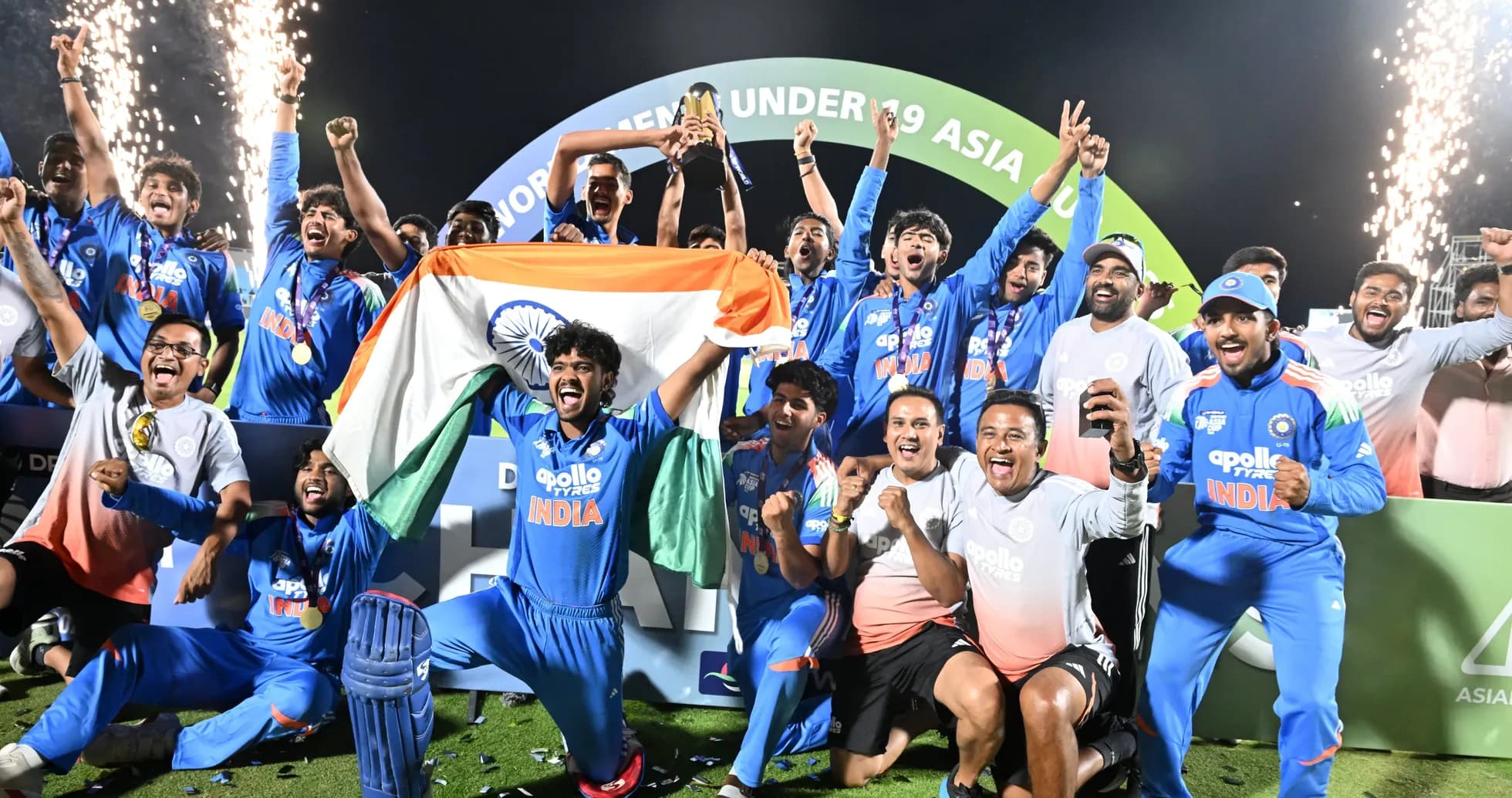
India U19 needed three off the final ball to win the 2026 ACC Men’s U19 Asia Cup. One wicket in hand. A target of 338 that had loomed like a mountain all evening. Mohit Ulva, 18 years old and on 49 from 26 balls, skipped down the pitch and drilled the ball to the boundary.
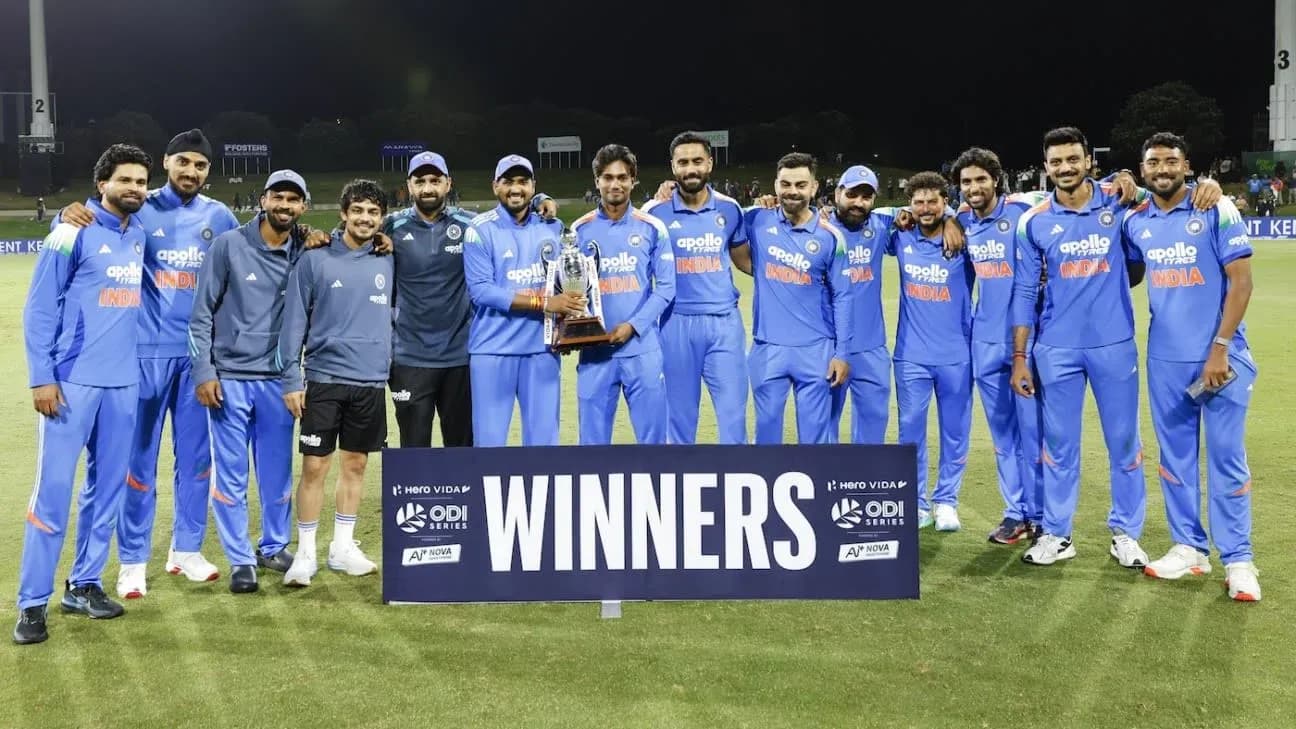
Game over. Title won. A one‑wicket victory over Pakistan that will live long in the memory.
Ulva turns chaos into glory
When Ulva walked in, India were staring at defeat. The chase had spluttered from a position of strength to 252/8, the required rate climbing, the pressure suffocating. Pakistan’s fielders sensed it. Their bowlers hunted the stumps. Every dot ball felt decisive.
Ulva answered with clean, fearless hitting. He refused to let the innings drift, picking gaps, going over the infield, forcing Pakistan to reshuffle plans that had seemed secure. His unbeaten 49 off just 26 deliveries wasn’t just fast; it was perfectly timed, each boundary a punch back in a contest that had started to tilt green.
The ninth‑wicket stand with Manal Chauhan changed everything. Chauhan, busy and bold, carved 47 off 32 balls, the pair adding 57 priceless runs that dragged India from the brink at 252/8 to 309/9. Pakistan had the door half‑closed. Chauhan and Ulva kicked it open.
When Chauhan finally fell, the equation still looked brutal. One mistake away from defeat, India found their calm in the most unlikely place: a debutant in his first game of the tournament.
Debut steel and a last over for the ages
Chigurupati Venkata, on U19 Asia Cup debut, walked in with a continental title on the line. No time to settle, no room to hide. He finished 11* from 8 balls, and every run felt heavier than the number beside it.
Together, Ulva and Venkata stitched an unbroken 30‑run stand for the last wicket. They ran hard. They picked their moments. Pakistan, who had controlled large chunks of the match, suddenly looked short of answers.
Eight needed off the final over. Fielders on the rope, the noise rising with every delivery. Ulva managed the strike, calculated the risk, and when it came down to three off the last ball, he didn’t flinch. Down the track, clean swing, ball racing to the rope.
From 252/8 to 339/9 in 50 overs. A heist, but one built on nerve and clarity in the cruellest of situations.
Captain’s platform and early control
The drama at the death almost overshadowed the foundation laid at the top.
Chasing 338, India began with the calm of a side that believed. Captain Lakshya Raichandani and Aaryavir Sehwag put on 95 for the first wicket, silencing Pakistan’s new‑ball threat and setting the tempo of the chase.
Sehwag’s 58 from 61 balls brought early momentum, his strokeplay forcing the bowlers to adjust lengths. At the other end, Raichandani played the anchor, compiling a composed 80 off 101 deliveries. He absorbed pressure, rotated strike, and kept India in control of the rate without flirting with recklessness.
That control didn’t last forever. Once the opening stand was broken, Pakistan clawed their way back. Wickets began to fall in clusters, the middle order never quite settling. The scoreboard, once comfortable, started to look ominous. By the time India slumped to 252/8, Raichandani’s earlier work felt in danger of being wasted.
Then came Chauhan. Then came Ulva. And the script tore itself up.
Pakistan’s imposing total
That India needed every last run told its own story about Pakistan’s batting.
Having chosen to bat on a surface that rewarded strokeplay, Pakistan built a formidable 337/9. Usman Khan was the heartbeat of the innings, crafting a century of real authority. His 107 from 111 balls blended patience with power, the kind of knock that usually wins finals.
Abdul Qadir injected the innings with raw acceleration. His 80 off 54 deliveries shifted the game’s rhythm, punishing anything even slightly off line. Captain Farhan Yousaf added a brisk 63 off 60 balls, ensuring Pakistan never lost momentum through the middle overs.
India’s bowlers had to scrap for every breakthrough. Kavya Patel emerged as the standout, taking 4/68 and striking at key moments to prevent Pakistan from completely running away with it. Venkata, who would later hold his nerve with the bat, chipped in with 3/40, showing composure with the ball before displaying it again under even greater pressure.
Yet 337 still felt big. In a final, under lights, against a fierce rival, it looked enough. For long stretches, it almost was.
Revenge, nerve, and a statement for the future
This was not just a trophy; it was payback. India had lost to Pakistan in the group stage and carried that sting into the final. On Saturday in Oman, they answered in the most dramatic fashion possible, overturning that earlier result and claiming the continental crown.
They did it the hard way. They lost momentum. They stared at defeat. They relied on their No. 10 and a debutant to close out a chase that would test seasoned internationals, never mind teenagers.
Player of the Match went, inevitably, to Mohit Ulva. Officially for his 49* off 26 balls. Unofficially for the courage to decide a final with one swing when everything could so easily have gone wrong.
For this group of young cricketers, the Asia Cup is already in the bag. The bigger question now is how far performances like these can carry them when the stakes, and the stages, get even higher.