The gold rush is gathering pace, and on a charged day for Indian sport, two very different arenas told the same story – of pressure, response and a refusal to blink.
Mandhana’s Class, Richa’s Fury, Shafali’s Double Punch
On the cricket field, India’s women walked out for a gold-medal bout with Sri Lanka and batted like a side intent on settling the contest early.
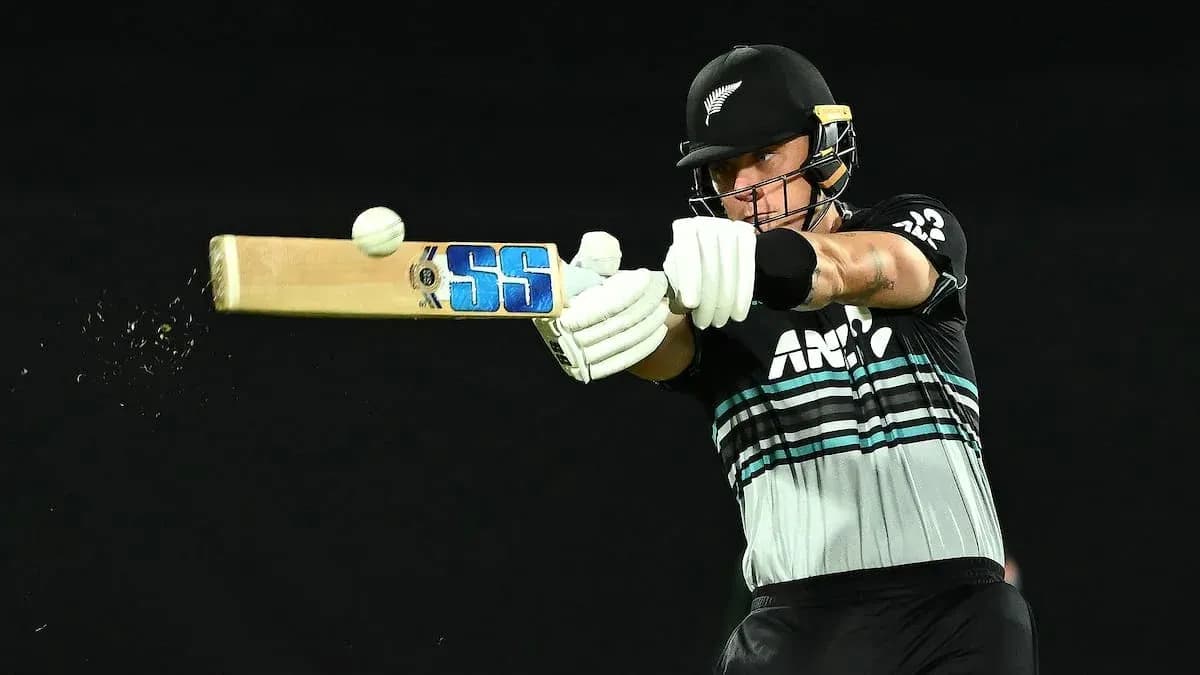
Smriti Mandhana set the tone. Elegant, ruthless, perfectly in tune with the occasion, she carved 79 from just 45 balls, threading gaps, lifting over the infield and never once letting Sri Lanka’s attack settle. She looked destined for a monumental finish before they finally dislodged her, but by then the damage was done.
At 163/3 after 17 overs, India had already built a platform that screamed dominance. Shafali Verma’s 48 had provided the early muscle, and when she fell, Sri Lanka briefly sensed a way back. Three wickets after Shafali’s dismissal gave them a sliver of hope, a window to drag the final back into their grip.
Richa Ghosh slammed it shut.
Her 49 off 22 balls turned a strong total into a towering one. It was a late-overs assault – clean hitting, deep pockets of the ground picked out with disdain, the kind of finishing that demoralises a chasing side before they even pick up a bat. India surged to 216/3 in 20 overs, a mammoth score in a pressure final and a statement of intent in a continental showpiece.
Then came the chase. Or what was supposed to be one.
Sri Lanka needed 217 for gold, a historic heist against a high-class attack. Chamari Athapaththu, their talisman, their heartbeat, strode out knowing the scale of the task. She began with purpose and bravery, reaching 29 and threatening to ignite something improbable.
Deepti Sharma snuffed it out.
Her breakthrough, Athapaththu gone for 29, ripped the belief out of Sri Lanka’s dressing room. The captain’s face told the story: she knew that was the moment, the chance, the one she had to take. Instead, she walked off, and with her went Sri Lanka’s biggest hope.
The pressure only tightened. Shafali, already a force with the bat, turned tormentor with the ball. She struck twice, her second wicket – Hasini Perera – pushing Sri Lanka into deep trouble in a chase that had started to look more like a climb without ropes.
At 43/3 after seven overs, the scoreboard was brutal. The target still miles away, the required rate climbing, India’s fielders alive to every half-chance. The Indian contingent in the stands rose as one, sensing what the players already knew: this was the shape of a gold-medal performance.
India could almost start dreaming. Almost.
Lakshya Sen’s Rollercoaster: From 11-21 to a Masterclass in Nerve
In the badminton hall, Lakshya Sen walked into his men’s singles quarter-final against World No.7 Kodai Naraoka and took a heavy punch to the jaw.
The opening game was a beating. Naraoka dictated pace and pattern, dragging Lakshya from front to back at will. The Indian never quite found his timing, his length drifting, his rhythm missing. It ended 21-11 to Naraoka in just 18 minutes, Lakshya’s final shot a long toss that summed up his frustration.
Then the match turned on its head.
Switching to the better side of the court, Lakshya recalibrated. The drift, which had worked against him in the opener, became his ally. He read it quicker, trusted it more. He tightened his defence, sharpened his net play and suddenly the rallies belonged to him.
The second game was a demolition. Lakshya raced to 8-2, then 11-2, his confidence swelling with every point. He dribbled Naraoka at the net, then pounded his backhand with heavy smashes. Under pressure, the Japanese star unravelled – shuttles flew wide, drops died in the net, smashes misfired. The scoreboard told the tale: 21-5 to Lakshya. From being outplayed, he had taken total control.
The decider, though, was a test of nerve.
Lakshya started from the bad side, the tricky half of the court where the shuttle seemed to drop faster than players expected. Naraoka looked to reassert himself, pushing Lakshya back, trying to open the court and force the Indian to go for broke.
Lakshya refused to panic. He leaned into defence. Rally after rally, he soaked up pressure, retrieved, waited. His plan was simple: defend, defend, defend, and then punish anything played flat. He had “gotten the hang of the drift,” and he used it like a weapon.
Still, Naraoka edged ahead. Lakshya trailed 5-7, then 13-17, and the gap looked ominous. But the Indian knew something else: once the players changed ends at 11, he would have the favourable side. If he could just stay close, just hang on, the match would tilt.
The chase began at 14-19 in the decider. That should have been Naraoka’s safe zone. Instead, it became his nightmare.
Lakshya’s defence turned suffocating. Long, grinding rallies wore the Japanese down. His half-smashes, disguised and precise, began to bite. Naraoka, unable to pierce the wall in front of him, suffered a complete meltdown in the closing exchanges. Errors spilled out of his racket; the certainty of the first game was long gone.
Point by point, Lakshya reeled him in. From 14-19 down, he stormed back to take the decider 21-19, sealing a sensational comeback and stunning one of the sport’s most resilient operators.
From 11-21 to 21-5, 21-19. From out of sorts to untouchable. This was Lakshya Sen at his best – adjusting to conditions, shifting strategy mid-match, and trusting his game under the heaviest of pressure.
The win handed India the opening point in the men’s team quarter-final and set the stage for their top-ranked doubles duo, Satwiksairaj Rankireddy and Chirag Shetty, to walk into the arena with momentum crackling in the air. They would face Takuro Hoki and Yugo Kobayashi, the World No.9 pair – a heavyweight clash in its own right, and a tie that could define India’s campaign.
Harsh Lessons Elsewhere
Not every Indian story on the day carried a golden glow.
In men’s team table tennis, the 2018 bronze medallists crashed out in the pre-quarterfinals, beaten 0-3 by a sharp Korean side. Harmeet Desai fell 1-3 to Jang Woojin, Manush Shah lost a tight five-game battle 2-3 to Oh Junsung, and Manav Thakkar went down 1-3 to An Jaehyun. The absence of G Sathiyan, left out of the line-up for this crunch tie, will spark debate. Did India leave too much experience on the bench when it mattered most?
On the fencing piste, Mitva Jesangbhai Chaudhari lived the sport’s cruel reality. She led Jingwen Yang of China 5-4 in the first period of their women’s individual Epee Table of 32 bout, only to be edged out 15-14. One touch. One moment. Fine margins that separate heartbreak from progression.
India’s hopes in that event now rest with Taniksha Khatri, who steps into her own Table of 16 contest knowing exactly how unforgiving this stage can be.
Across arenas, one theme cut through: the Asian Games don’t just reward talent; they expose resolve. India’s cricketers and Lakshya Sen showed they have plenty of both.
How far can that carry them when the stakes climb even higher?