Kevin Pietersen has never been shy of a challenge. Now, at 46, England’s former batting maverick is back in national colours in a different role, trying to solve a problem that has dogged English white-ball cricket for years: how to handle spin when it really matters.
Brought in this month as a specialist coach for England’s limited-overs sides ahead of next year’s World Cup, Pietersen has gone straight to the heart of the issue. No frills, no jargon. Just a hard reset on how England’s batters read slow bowling.
Pietersen’s spin masterclass
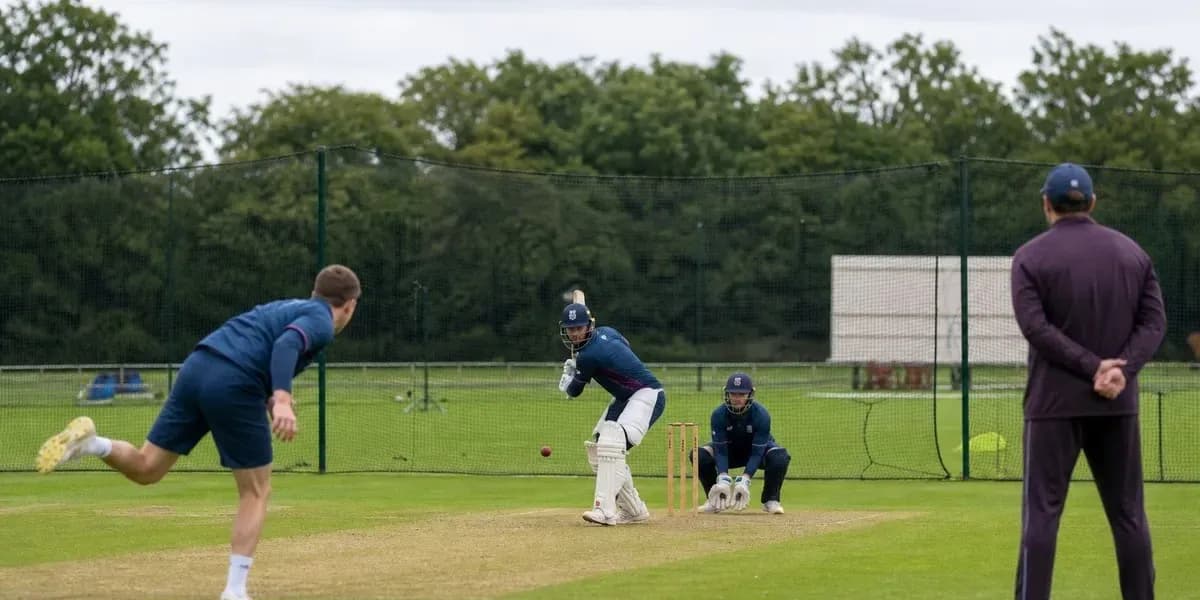
As reported by Dawn, Pietersen recently led a masterclass for the national squad focused purely on playing spin. The session zeroed in on one deceptively simple skill: judging length.
Captain Harry Brook, who has quickly become the standard-bearer for this new-look England, was effusive about the impact. For him, this isn’t a minor technical tweak; it’s a decisive edge.
Brook explained that Pietersen drilled the group on picking up length early, giving them the confidence to either get right to the pitch of the ball or rock back and create scoring options. That sharper judgement, he believes, will allow England’s batters to rotate the strike more consistently, disrupt the spinners’ rhythm and avoid getting bogged down in the middle overs.
In a format where one quiet five-over spell can flip a contest, that matters.
ODI focus and old masters
Brook made it clear that the biggest gains must come in One Day Internationals. England’s white-ball revolution has often been defined by fearless hitting, but against high-class spin in ODIs, they have not always looked as ruthless as they would like.
He stressed that how England handle spin can shape match results, especially on slower pitches or in tournament play. That is where Pietersen’s presence looms large.
Brook described Pietersen as one of the strongest players of spin England has produced. The numbers back it up: Pietersen is England’s third-highest run-scorer across all formats, and much of that haul came against attacks stacked with quality spinners.
The captain also namechecked Joe Root and Marcus Trescothick as further examples of English batters who have mastered slow bowling in different eras. Between them, they offer a rich bank of knowledge for the current group to tap into, from footwork and shot selection to tempo and risk management.
The message is obvious: learn from those who have already solved the puzzle.
Early returns: Sri Lanka swept aside
If Pietersen’s arrival was meant to sharpen England’s play against spin, the first examination paper came quickly.
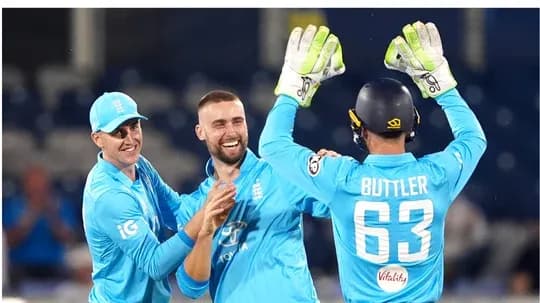
Up against Sri Lanka, a side that leans heavily on its spinners, England swept the series 3-0. The results were emphatic and, crucially, came with England looking far more assured against the turning ball. They did not just survive; they dictated.
That clean sweep carried extra weight. On the back of it, England climbed above India to take top spot in the Twenty20 world rankings, a symbolic shift in a format where every marginal gain is fiercely contested.
The spin work is not the only factor in that rise, but it has given England a fresh layer of confidence. The batters are reading the game quicker. The bowlers sense they can attack with more freedom when the runs are flowing.
Next up: another Sri Lanka test, different format
The real examination of this new mindset now moves to 50-over cricket. England’s next assignment is a home three-match ODI series against Sri Lanka, beginning later on Tuesday.
Same opposition. Different pressures.
Brook has been clear about the ambition. England do not just want to ride the momentum of their Twenty20 wins; they want to raise the tempo again. He spoke of playing at a more intense pace, with bat and ball, and of putting opponents under pressure from the first over to the last.
That intent has become part of England’s white-ball identity over the past decade. The challenge now is to weld it to a more mature, calculated approach against spin, especially in the longer white-ball format where innings management and risk control matter as much as raw aggression.
Building one of the “best-prepared” teams
Behind the bold talk sits a broader plan. Brook said England are aiming to become one of the best-prepared teams in world cricket. That does not just mean extra nets or more data. It means a cultural shift in how they train, think and recover.
He underlined the need for hard work both on and off the field. Skills sessions, fitness, mental preparation, tactical clarity – all of it counts if England are to arrive at next year’s World Cup with no obvious weakness for opponents to target.
With Pietersen now in the camp, the spin question no longer feels like a lingering doubt. It feels like a project with a clear architect and a ticking clock.
England have reclaimed the No. 1 spot in Twenty20 cricket. Their next step is to prove they can dominate in ODIs against a spin-heavy Sri Lanka on home soil.
If they pass that test, how many teams will truly fancy bowling spin to this side when the World Cup comes around?